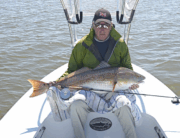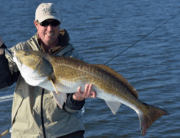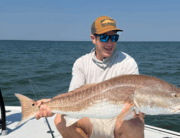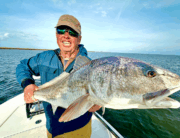
Targeting Redfish on the Fly in Louisiana: A Complete Guide to Louisiana Fishing Charters
Redfish on the fly in Louisiana represents some of the most exciting saltwater fly-fishing opportunities available in North America. Whether anglers are booking Louisiana fly fishing charters for the first time or returning to familiar waters, understanding redfish behavior, seasonal patterns, and presentation techniques is essential for success.
Why Louisiana for Redfish on the Fly
Louisiana’s coastal system offers unique advantages for fly fishers targeting redfish. The stained water, extensive bayou network, and mud-bottom ecosystem create an environment where redfish rely heavily on feel and vibration rather than sight alone. This fundamental difference from clear-water flats fishing in other regions means that presentation matters enormously, and aggressive fly movement triggers strikes that passive presentations might miss.
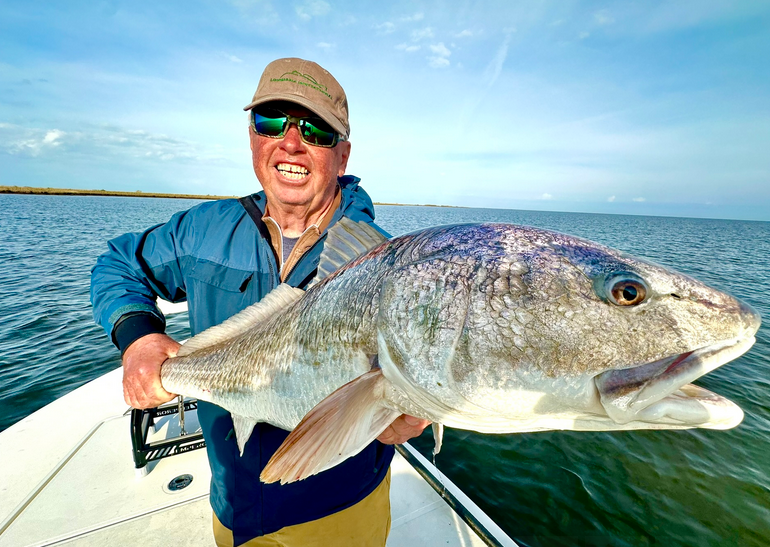
The concentration of redfish in Louisiana is exceptional. Fish range from slot-size reds in the 18 to 27-pound range to trophy fish exceeding 35 pounds. Louisiana fishing charters provide access to water that holds healthy populations of all sizes, making it possible to target specific size classes depending on preferences and skill level.
Understanding Redfish Behavior and Habitat
Redfish are predictable hunters when conditions are understood. They’re ambush predators that position themselves to intercept baitfish, crustaceans, and other prey. In Louisiana’s bayous and marsh systems, redfish concentrate in specific locations based on tide, time of year, and forage availability.
Deep holes adjacent to shallow feeding flats are primary holding areas. Redfish use these deeper zones as resting spots, moving to shallow water during feeding periods—particularly with incoming tides. Channel edges where water depth transitions sharply are natural hunting corridors where redfish stage to ambush baitfish being pushed by current.
Mud banks with good current flow attract feeding redfish. The muddy bottom is ideal habitat for crabs and shrimp, and redfish know this. The inside bends of bayous create current breaks and eddy zones where baitfish congregate, making them predictable ambush points for hunting redfish.
Structure matters enormously. Oyster reefs, fallen mangroves, submerged pilings, and weed lines all concentrate redfish. When booking Louisiana fly fishing charters, experienced guides target these structural elements as primary fishing zones because redfish gravitate to them consistently.
Seasonal Patterns for Louisiana Fly Fishing Charters
Spring (March-May): Warming water temperatures trigger aggressive feeding. Redfish move shallow into the marshes and flats, making sight-fishing excellent. This is prime season for fly-fishing charters, with consistent action and the bonus of tarpon migration occurring simultaneously.
Summer (June-August): Heat and bright light make mid-day fishing slow, but early mornings and late afternoons produce fast action. Redfish move to deeper water to escape extreme heat but feed intensely during cooler periods. Louisiana fishing charters during summer require early starts and patience through slow midday stretches.
Fall (September-November): Cooling water temperatures trigger pre-winter feeding binges. Redfish gorge themselves, and the fishing can be spectacular. Water clarity often improves, and sight-fishing opportunities increase. September and October are among the most productive months for Louisiana fly fishing charters.
Winter (December-February): Cold water concentrates redfish in specific zones, creating predictability that’s unmatched in other seasons. Sight-fishing improves dramatically as sediment settles in cooler water. Trophy fish are more accessible during winter, making this ideal for anglers pursuing giant redfish on the fly in Louisiana.
Essential Gear for Redfish on the Fly in Louisiana
Fly Rod and Reel: A 9 or 10-weight fly rod is the standard for redfish on the fly in Louisiana. These fish have power that punishes light gear, and a quality saltwater-specific reel with a sealed drag system and 300+ yards of backing capacity is non-negotiable. The drag must be smooth and reliable under sustained pressure.
Fly Line: Weight-forward floating fly lines in 9 or 10-weight are ideal. These lines load efficiently in wind and present flies well in the varied conditions Louisiana presents. Some anglers prefer intermediate lines for deeper presentations, but floating lines handle the majority of Louisiana fly fishing charters effectively.
Leaders and Tippet: 40 to 50-pound test leader with 30-pound test tippet is standard. Redfish have rough mouths and sharp gill plates that can cut through lighter materials. Quality knots and proper leader construction are critical—a broken tippet on a trophy redfish is a heartbreaking lesson in preparation.
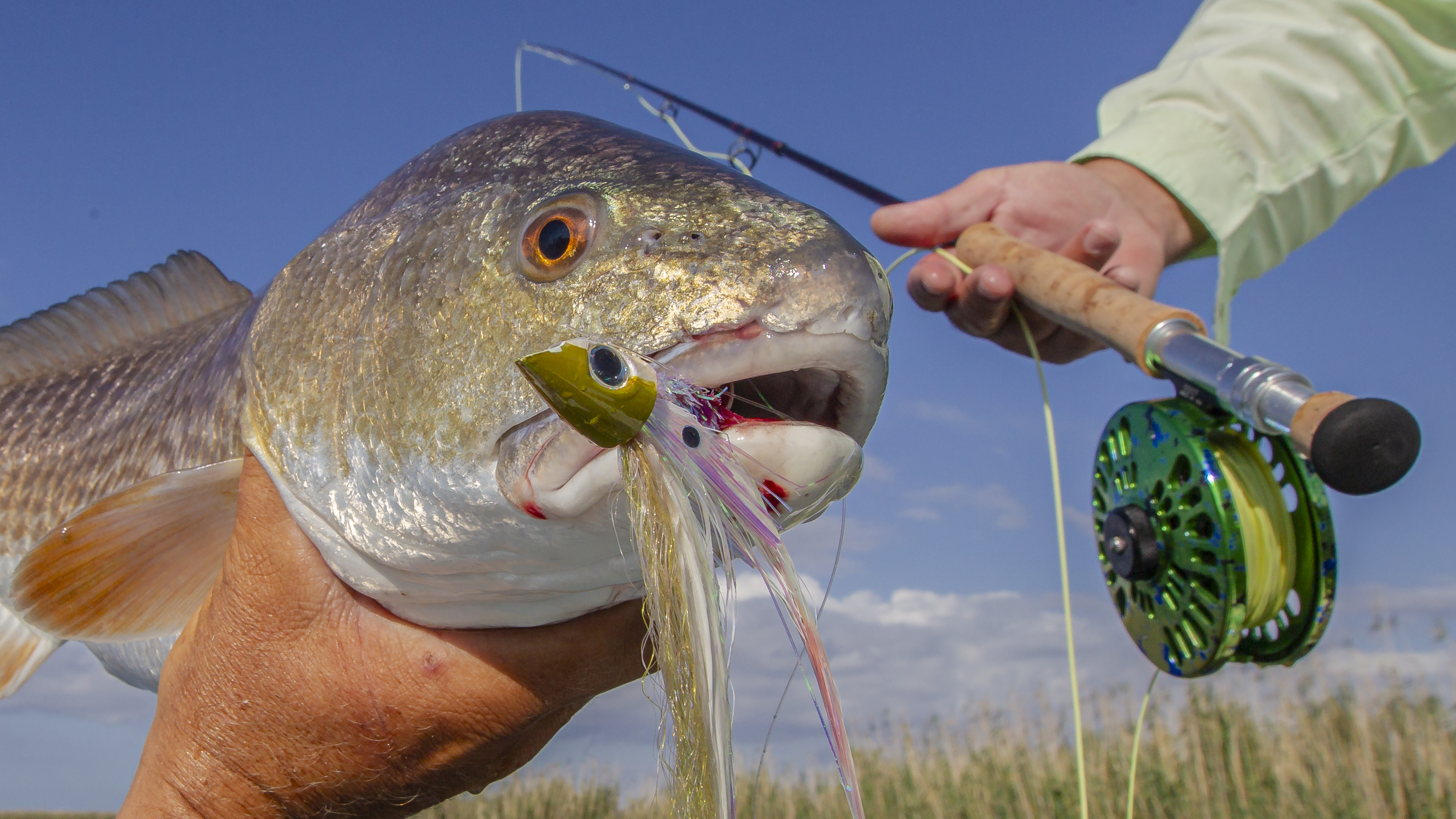
Flies: Large, substantial patterns work best for redfish on the fly. Clouser Deep Minnows in sizes #1/0 through #3/0, baitfish imitations, oversized shrimp patterns, and crab flies all produce consistent results. Color selection should match local forage, with chartreuse and white, natural tans and grays, and all-black patterns covering most conditions.
Presentation Techniques for Louisiana Fly Fishing Charters
Sight-Fishing
The most exciting method for targeting redfish on the fly involves spotting fish visually and presenting the fly to them. Anglers should look for nervous water—subtle disturbances caused by fish feeding in shallow water. The copper flash of a redfish’s side is distinctive once anglers train their eyes to recognize it. A steady wake moving through shallow water is another telltale sign.
Casting accuracy is critical in sight-fishing. The fly should land 3 to 4 feet ahead of the fish’s path, allowing time for the fly to sink slightly before the fish reaches it. A strip-set on the take is essential—redfish don’t hook themselves, and the set needs to be aggressive enough to drive the hook past the fish’s tough jaw.
Blind Casting
When sight-fishing isn’t possible due to water conditions or lighting, blind casting to structure and likely holding areas remains effective. Cast to channel edges, grass lines, oyster reefs, and the mouths of deeper bayous. The strip should be deliberate and rhythmic, mimicking wounded baitfish or crustaceans. Pauses between strips can trigger aggressive strikes as fish respond to the fly’s stop-and-start movement.
Reading Current and Tide
Understanding how tide and current move through Louisiana’s bayous is essential knowledge. Fish position themselves to intercept baitfish pushed by current, so current breaks and eddy zones are high-probability areas. The first two hours of an incoming tide often produces the fastest action as water moves across flats, pushing baitfish into waiting redfish.
Fighting and Landing Redfish on the Fly
Once hooked, redfish demonstrate why they’re prized on fly tackle. These fish make powerful runs, particularly in the first 30 seconds after hookset. Keeping the rod tip up and maintaining steady pressure is essential. The drag system must be set properly—tight enough to prevent line breakage from power, loose enough to allow the drag to work during runs.
Redfish use head-shaking and raw strength to attempt escape. Anglers should not horse these fish, as broken rods and cut leaders result from overly aggressive fighting. Instead, consistent pressure, allowing the fish to run when necessary, and advancing line during recovery periods is the proven approach.
As the fish approaches the boat, caution increases. Trophy redfish make final desperate runs near the boat, and loose line at this point can be catastrophic. Keeping tension, avoiding sudden slack, and having guide assistance ready for the boat control ensures successful landing.
Seasonal Booking for Louisiana Fly Fishing Charters
Anglers interested in Louisiana fly fishing charters should consider their target species and preferred conditions when booking. Spring and fall offer moderate weather and excellent fishing. Summer demands early mornings but provides consistent action. Winter targets trophy fish but requires comfort in cold conditions.
Week-long trips allow anglers to experience multiple locations and conditions, maximizing opportunities. Single-day charters provide excellent introduction to redfish on the fly in Louisiana for those with limited time.
What Makes Louisiana Different
Redfish on the fly exists elsewhere, but Louisiana’s combination of abundant fish, varied habitat, seasonal patterns, and year-round accessibility makes it exceptional. The stained water creates hunting dynamics that pure sight-fishers must adapt to. The bayou system offers solitude and intimacy unavailable on crowded flats elsewhere. The culture of Louisiana adds intangible value—the history, the food, the people—that completes the experience.
Conclusion
Targeting redfish on the fly in Louisiana represents a distinct and rewarding branch of saltwater fly fishing. Whether through established Louisiana fishing charters or independent exploration, anglers who invest time in understanding redfish behavior, seasonal patterns, and presentation techniques will find success and satisfaction in these productive waters. The combination of accessibility, fish size, and the unique character of Louisiana’s ecosystem makes redfish on the fly in Louisiana an essential pilgrimage for serious fly fishers.