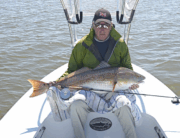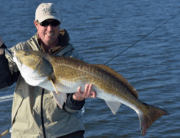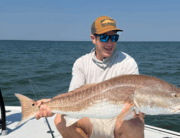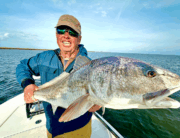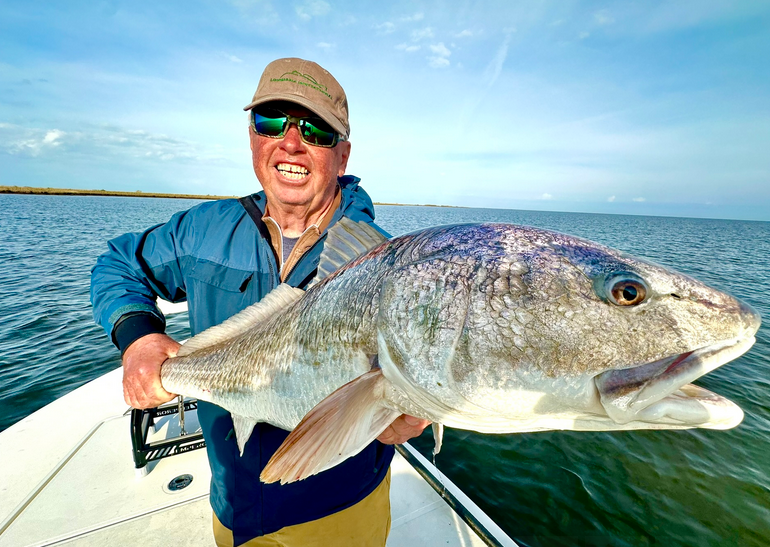
Winter transforms Louisiana’s redfish season into something special. While many anglers hang up their rods during the colder months, those who venture out discover some of the most exciting opportunities for big bull redfish. I’m Capt. Gregg Arnold, and after years of guiding anglers through Louisiana’s fly fishing charters during winter, I’ve learned that this season offers unique advantages for both fly and lure fishermen targeting trophy-sized reds.
When the water cools, bull redfish behavior shifts dramatically. The aggressive feeding patterns of warmer months give way to more calculated hunting. These larger fish concentrate in deeper holes and channels, making them more predictable and, paradoxically, easier to locate. Many anglers booking Louisiana fly fishing charters specifically request winter trips because they understand the seasonal advantage these conditions provide.
Winter water temperatures in Louisiana typically range from 50 to 60 degrees Fahrenheit. At these temperatures, the metabolism of redfish slows, but they don’t stop eating entirely. Instead, they become opportunistic feeders, targeting larger, more calorie-dense prey. This is where the real magic happens for anglers—bull reds are actively hunting, but they’re selective. When you book Louisiana fly fishing charters with experienced guides, they know exactly how to present flies and lures that trigger aggressive responses from these winter-hungry fish.
The cooler water also improves visibility. Without the thick vegetation and algal blooms common in summer, you’ll find clearer water in many Louisiana systems. This clarity is a game-changer when sight-fishing, whether you’re casting a streamer fly or working a lure along a ledge. During Louisiana fly fishing charters I operate, the improved water clarity often means more visual strikes and more opportunities to witness the explosive takes that make winter redfish fishing so addictive.
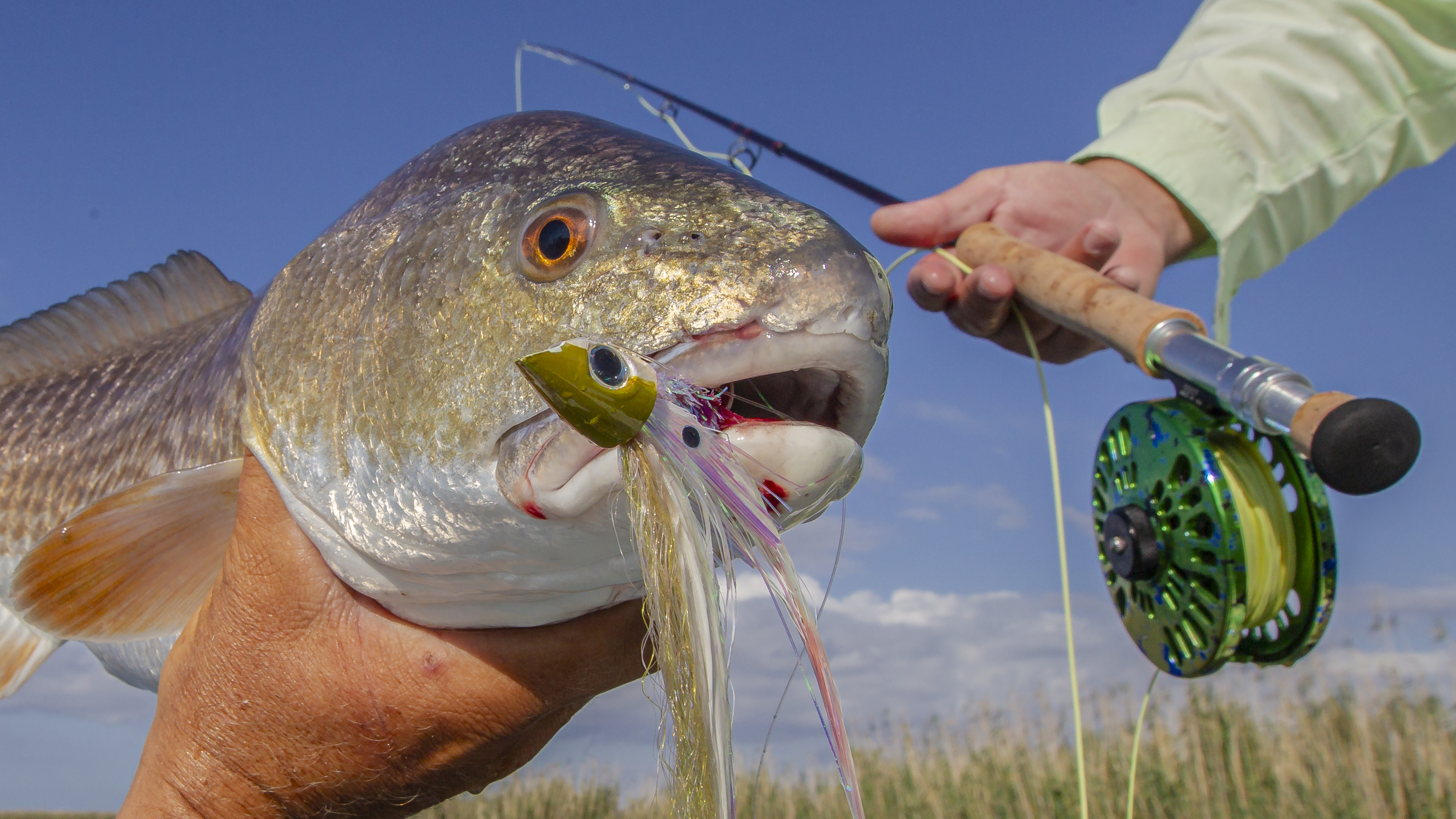
Fly fishing for Louisiana bull redfish in winter requires a different mindset than fair-weather fishing. These fish are strong, aggressive, and often found in challenging conditions. Winter demands flies that imitate the natural forage bull redfish are actively hunting. Large mullet patterns and shrimp flies in darker colors—blacks, dark browns, and charcoal—work exceptionally well. I typically throw 3 to 4-inch streamer patterns that create substantial profiles and vibration in the water.
Clouser Minnows, Black Death flies, and large Deceiver patterns are consistent producers. Don’t shy away from size—when targeting big bulls, flies in the 2/0 to 3/0 range aren’t overkill. These fish aren’t intimidated by larger offerings during winter months. Many anglers who book Louisiana fly fishing charters are surprised at how readily these trophy redfish will chase substantial flies through cold water.
The key to winter fly success is patience and precise casting. Bull redfish in winter often hold tight to structure—deep holes, channel banks, and submerged timber. Position your boat to make long casts into these zones, allowing the fly to sink into the strike zone. I focus on dead drifting flies into deep pockets before stripping them erratically. The combination of a controlled sink and active retrieval often triggers strikes from lethargic fish. Early morning and late afternoon are premium times, but winter’s shorter daylight hours mean you should fish whenever conditions allow.
Wind is your friend in winter fly fishing. While we typically avoid windy conditions in summer, winter wind creates the chop and murk that helps you approach bull redfish without spooking them. Overcast days often produce better than clear ones. When you’re on Louisiana fly fishing charters during winter, experienced captains use wind to their advantage, positioning boats to make the most of challenging conditions that intimidate less seasoned anglers.
Lure fishing presents different advantages and requires specific approaches for winter conditions. Winter bull redfish respond exceptionally well to larger hard baits and soft plastics. I recommend 5 to 7-inch swimbaits that mimic mullet or pigfish—the natural forage available in Louisiana waters during cooler months. Topwater plugs can work early in the morning, but subsurface presentations typically outperform surface disturbance during winter.
Soft plastic paddle-tail shads in natural colors like pearl, pearl with chartreuse, and solid blacks are consistent winners. Weighted jigheads in the 1/2 to 1-ounce range allow you to reach the deeper winter holding areas efficiently. Winter calls for a slower, more methodical approach than summer fishing. Cast your lure onto structure or along channel banks and use a controlled, pulsing retrieve. Let the lure work in the strike zone longer than you might during warmer seasons—these fish aren’t in a hurry to chase.
Focus on areas where water depths change dramatically—channel ledges, deep holes adjacent to flats, and around submerged pilings or timber. Bull redfish use these transition zones as hunting grounds, particularly when bait becomes concentrated in deeper water. For anglers interested in maximizing their winter success, Louisiana fly fishing charters provide access to prime locations that casual fishermen often overlook.
Success in winter redfish fishing starts with understanding water temperature and depth. Use your electronics to identify the deepest pockets in systems you’re fishing. Bull redfish will school in these areas, particularly during the coldest parts of the day. Salinity also plays a role. Winter rains can dramatically affect freshwater input into Louisiana’s coastal systems. Bull redfish often respond by moving to areas with more stable salinity. Brackish to slightly saline water tends to concentrate forage and predators alike.
Look for bait balls and feeding activity. In winter, when forage is less abundant than in summer, concentration areas become obvious. Mullet runs in particular signal feeding opportunities for big redfish. When you’re booked on Louisiana fly fishing charters, guides monitor these seasonal patterns constantly, positioning you in the right place at the right time to capitalize on active feeding periods.
Dressing for Louisiana winter fishing is about layering, not bulk. You’ll experience morning temperatures in the 40s that warm to the 50s or 60s by afternoon. Waterproof layers and insulated waders are essentials—falling in during winter isn’t just uncomfortable, it’s dangerous. For fly fishing, use a 9-weight rod minimum. These fish hit hard, and the additional backbone helps you maintain control in wind and when fighting substantial bull reds. Eight-weight rods can work, but I prefer the extra power.
Spinning or baitcasting gear should feature smooth drags—winter offers some of the hardest runs you’ll experience all year. These fish seem to know the water is cold and they have limited energy to waste. Many of the anglers I see on Louisiana fly fishing charters come equipped with high-quality gear specifically chosen for winter conditions, and it makes an undeniable difference in their success rates.
Winter bull redfish fishing in Louisiana isn’t for everyone. It requires commitment, patience, and a willingness to embrace cold conditions. But for those willing to make the effort, the rewards are extraordinary. Winter produces some of the largest bull redfish of the year. The aggressive take, the determined run, and the raw power of these fish fighting in cold water—it’s an experience that resonates long after the season ends.
Whether you’re throwing streamers on a fly rod or working swimbaits on conventional gear, winter offers a chance to connect with Louisiana’s most impressive redfish. If you’re serious about targeting trophy bull redfish and want to make the most of the winter season, Louisiana fly fishing charters offer expert guidance and access to productive waters. I’m here to help you land the bull red of your dreams and experience why winter is truly the prime season for big fish on Louisiana’s coast.