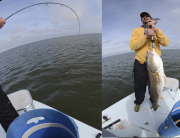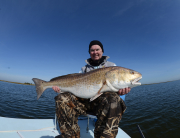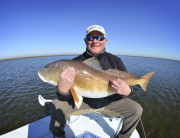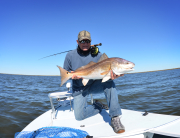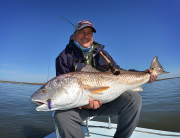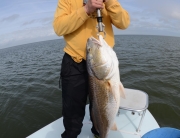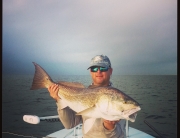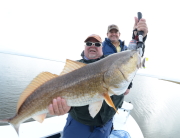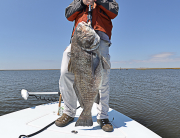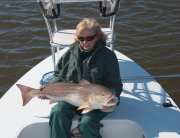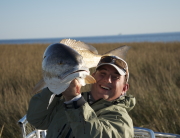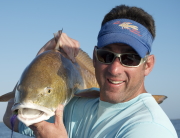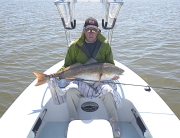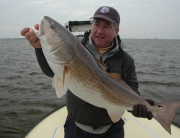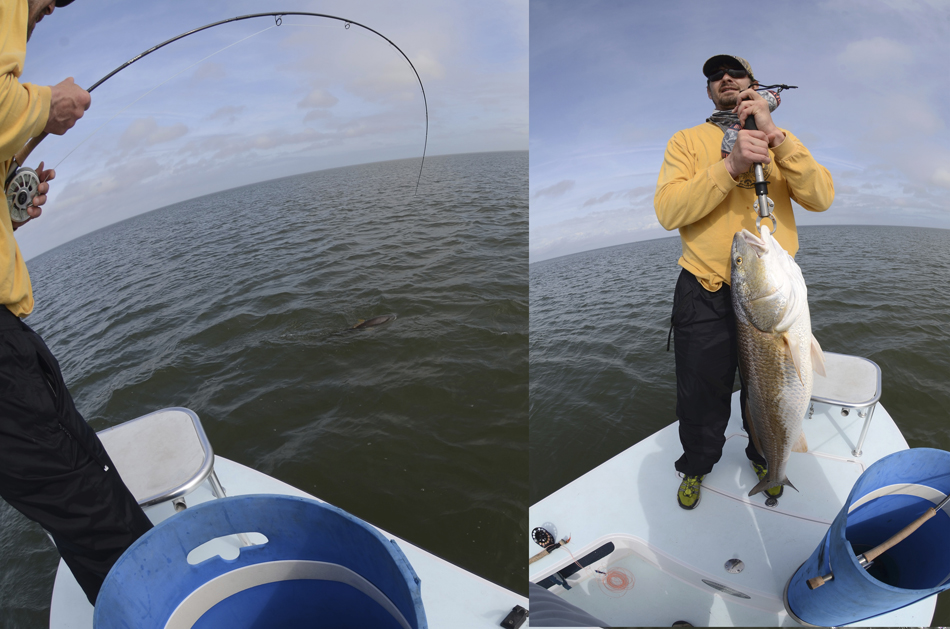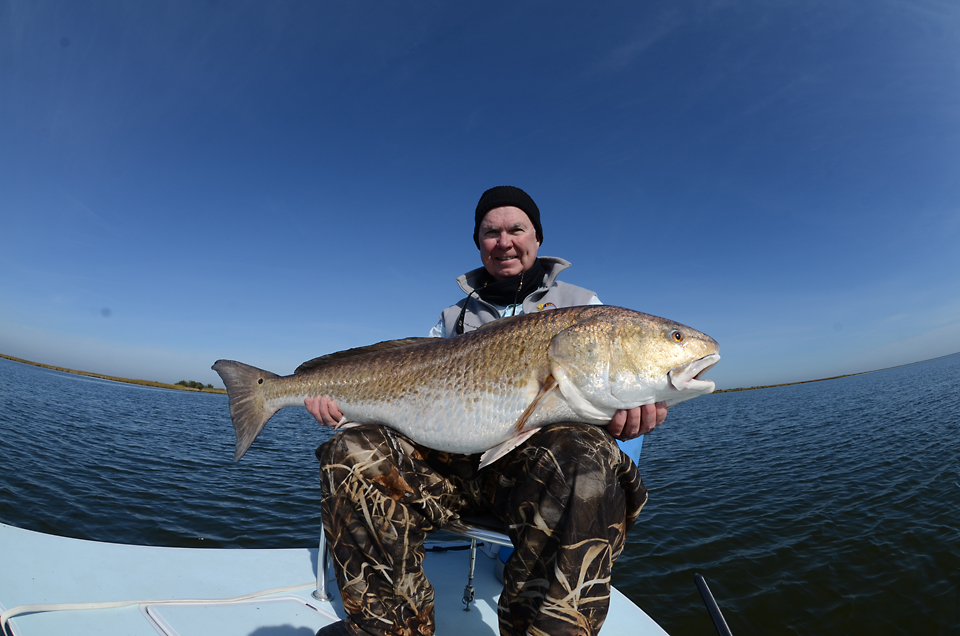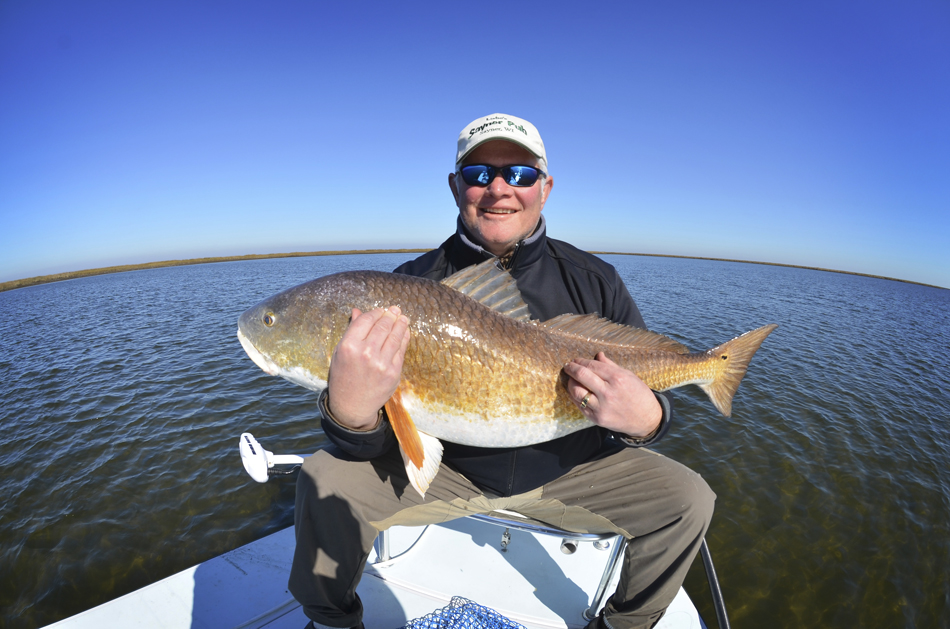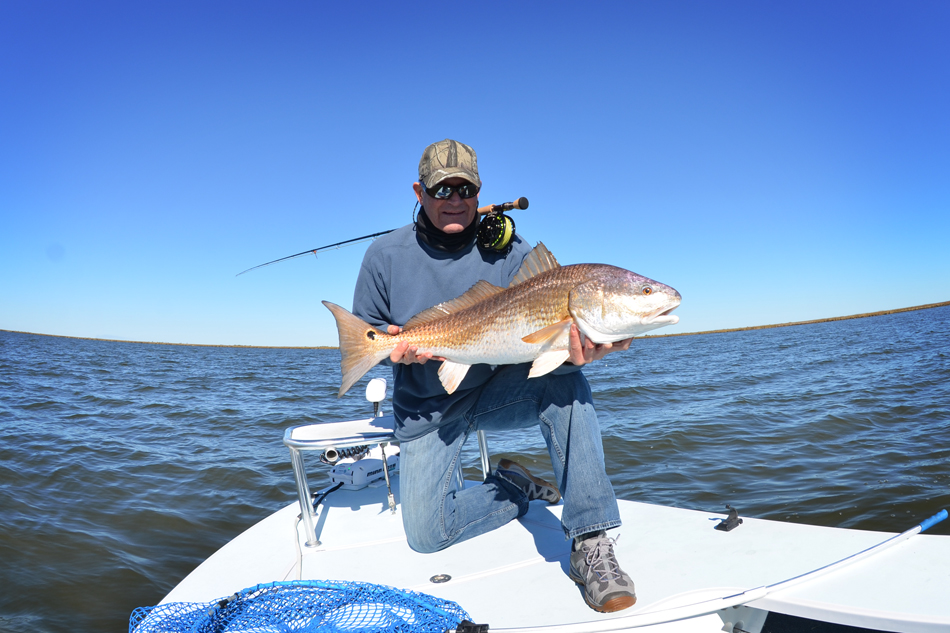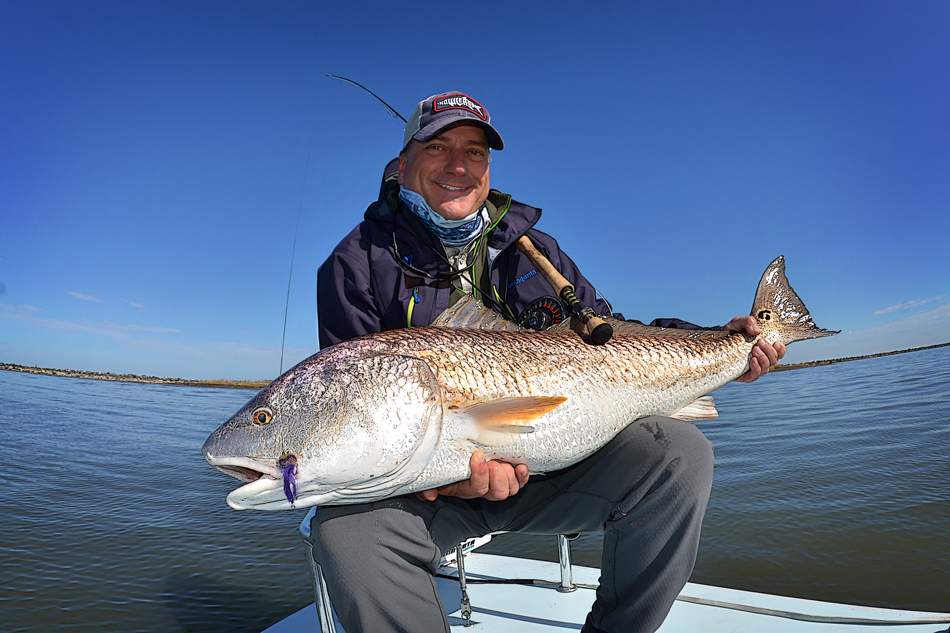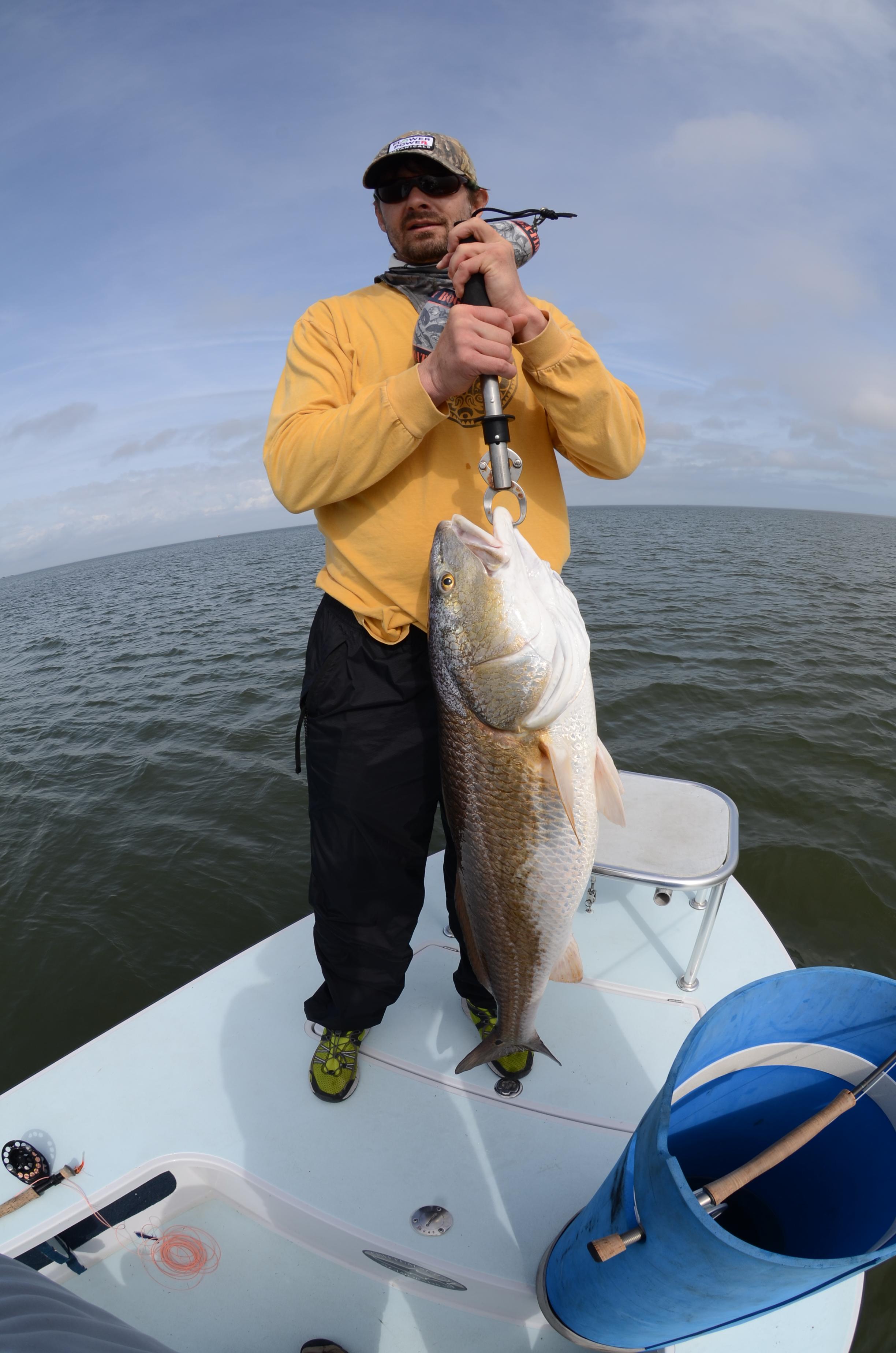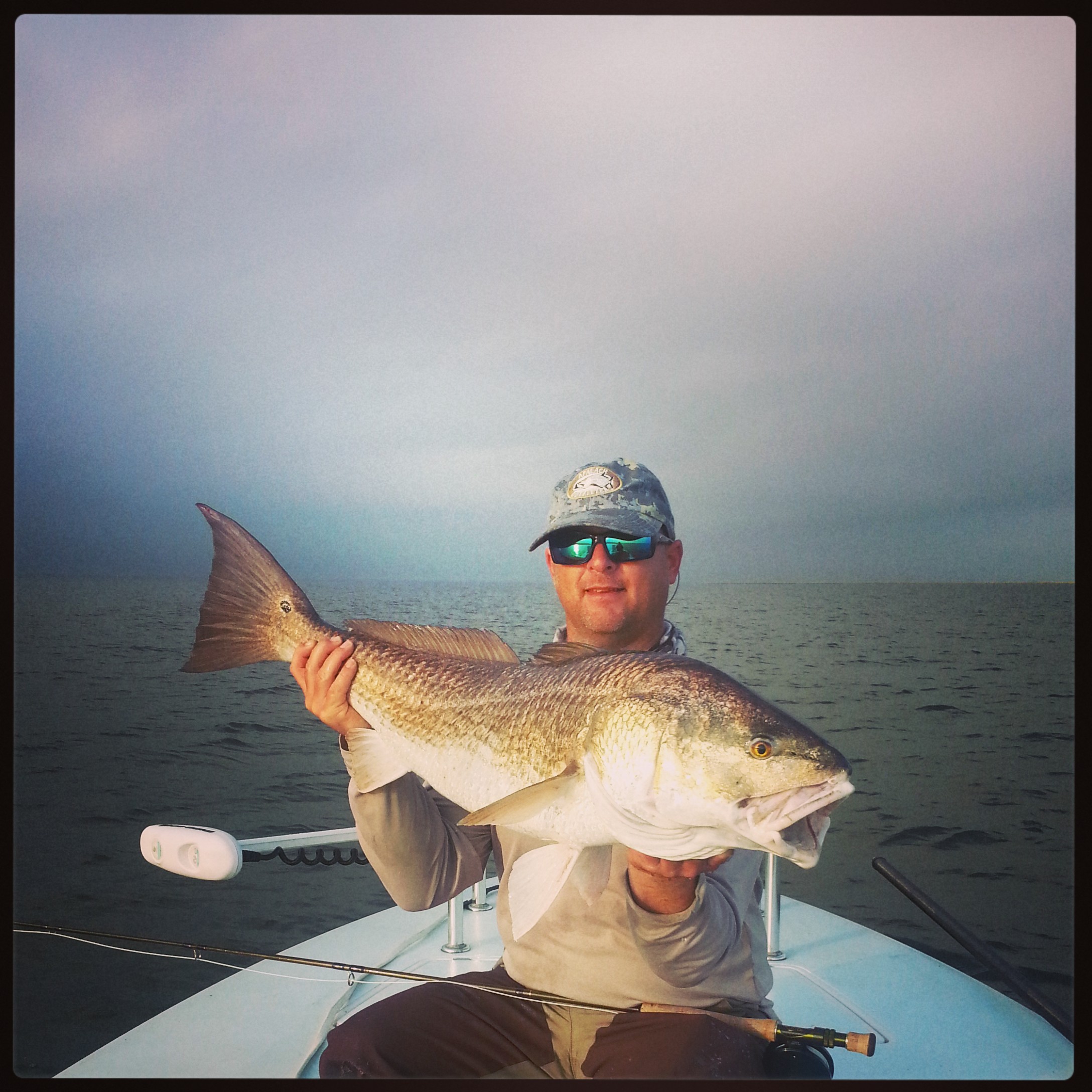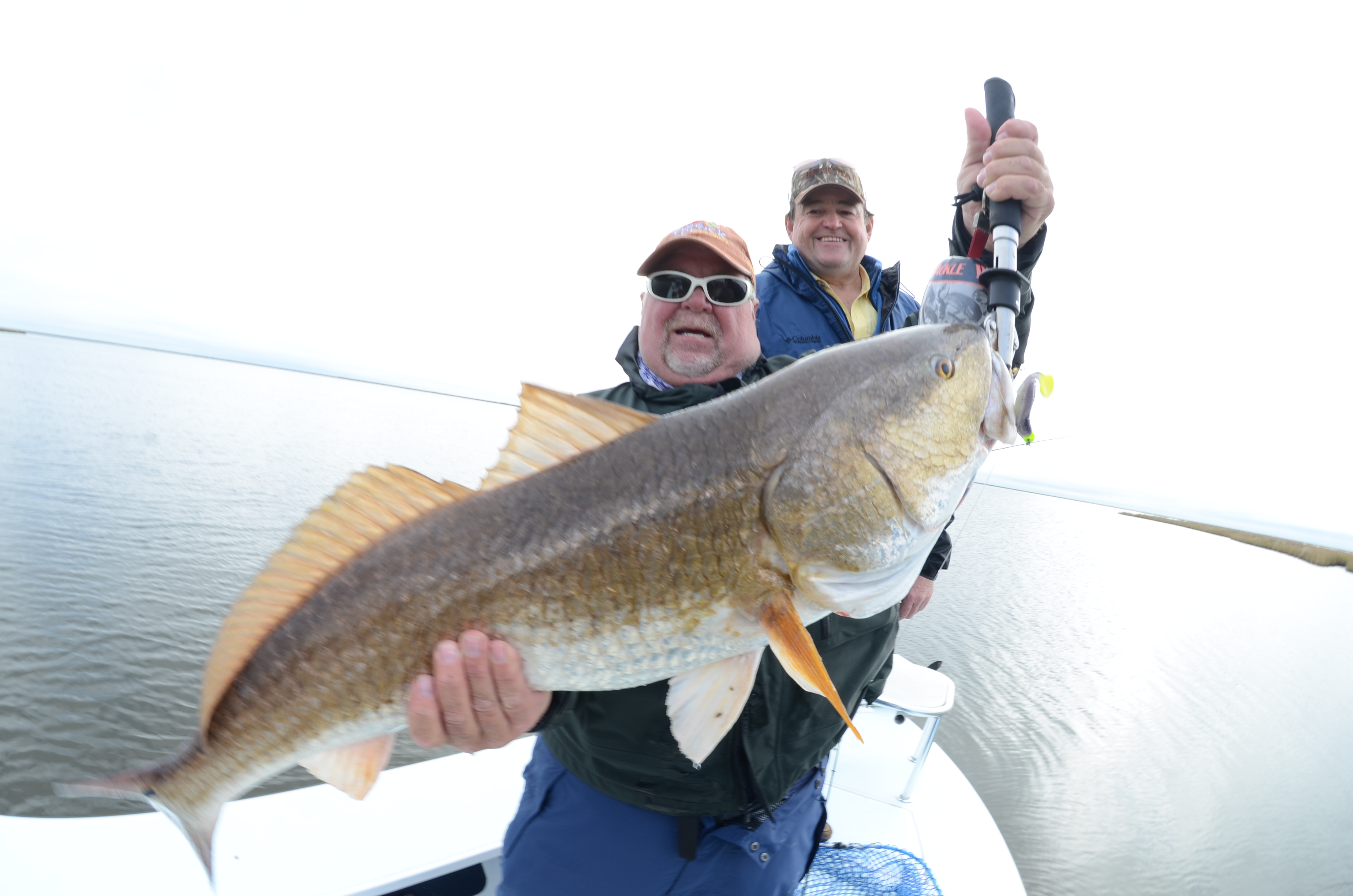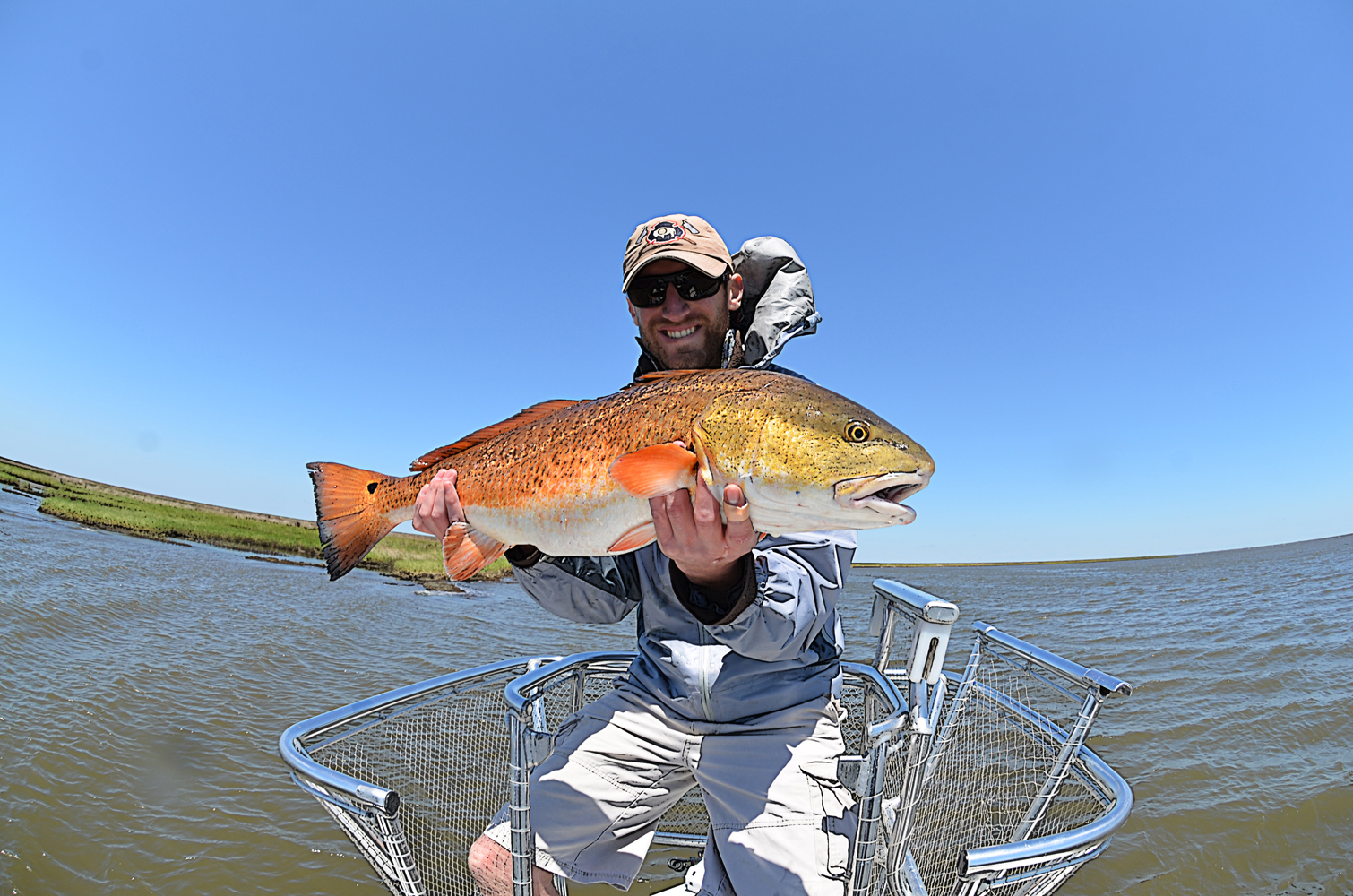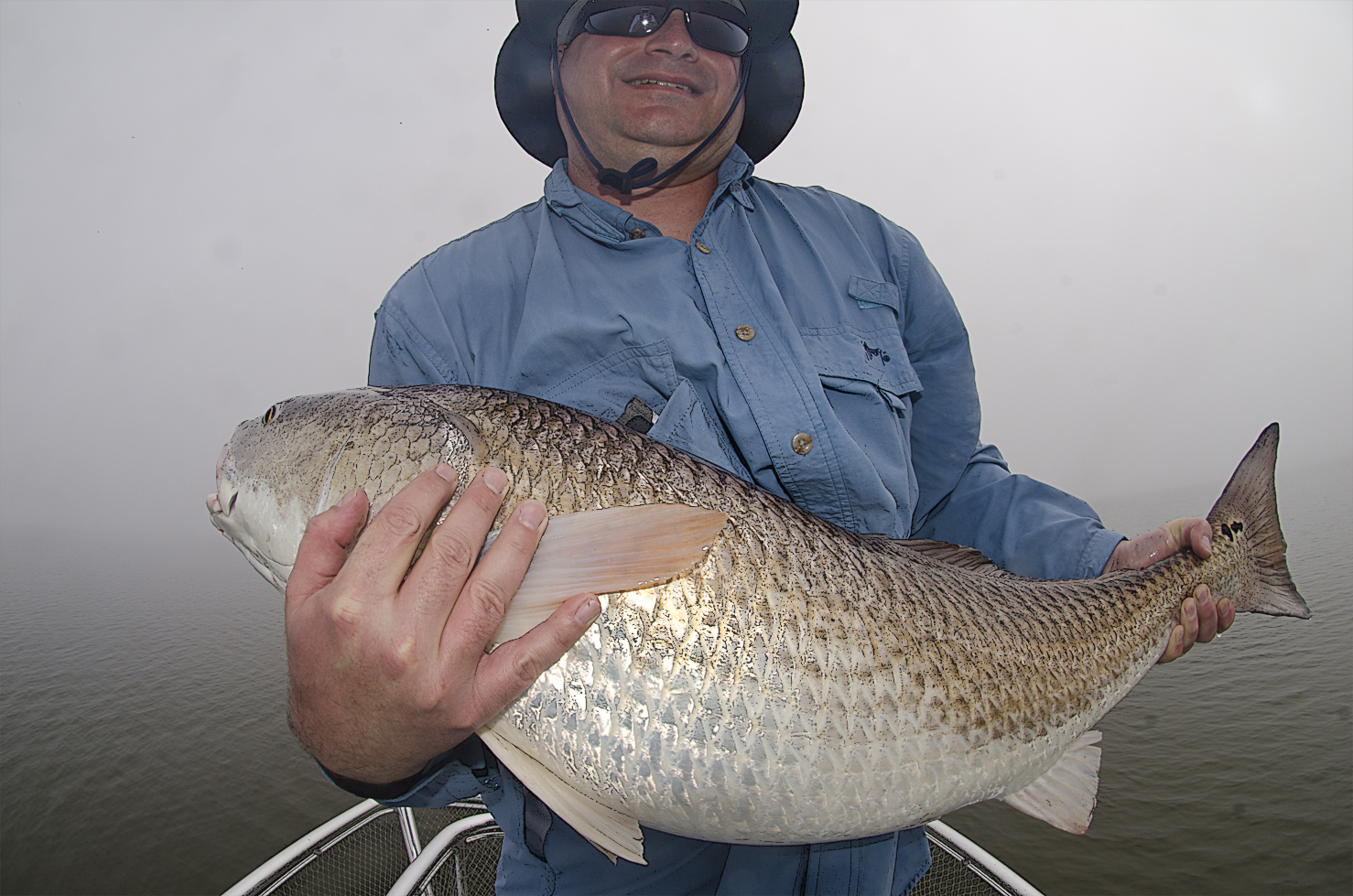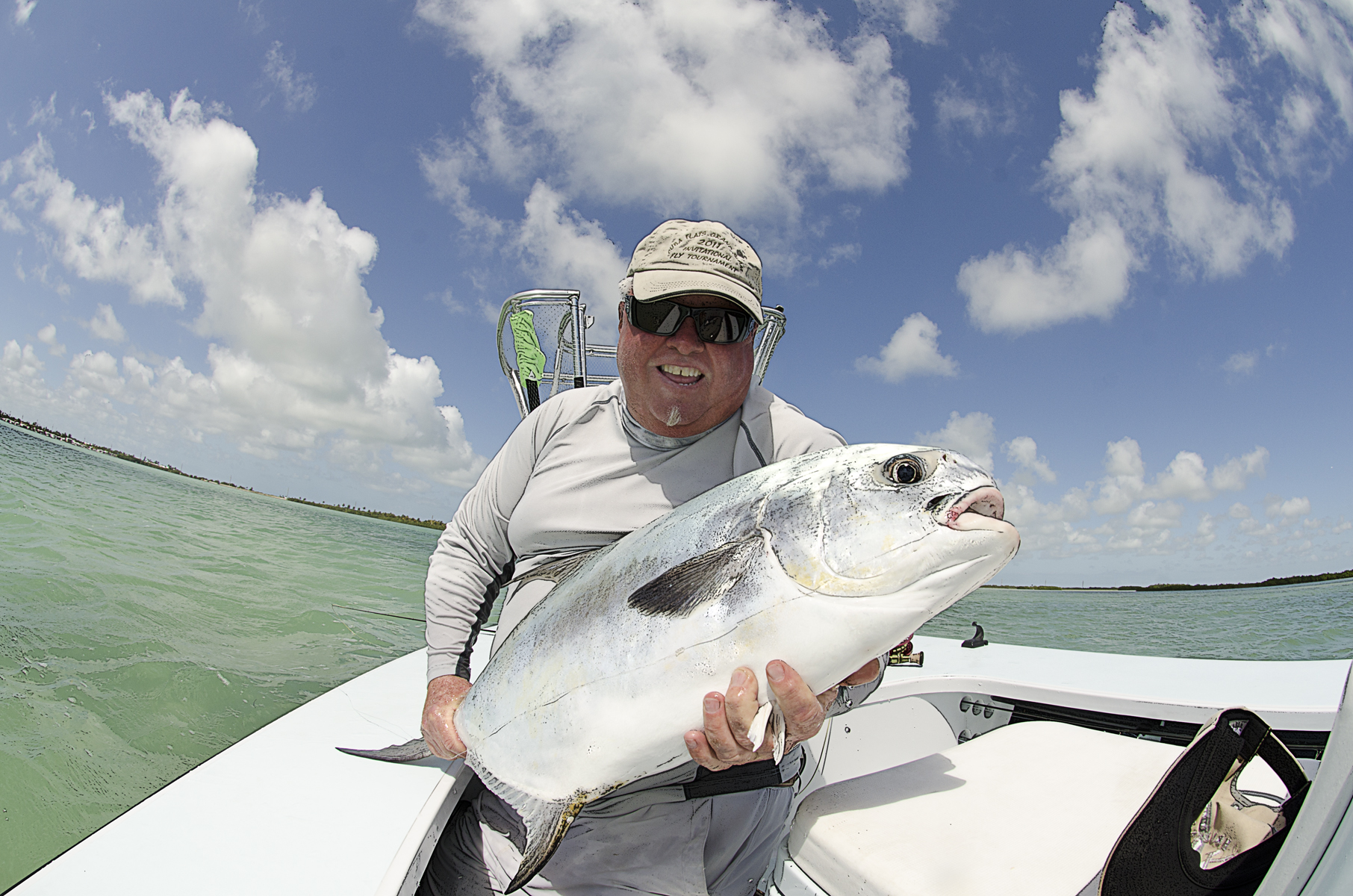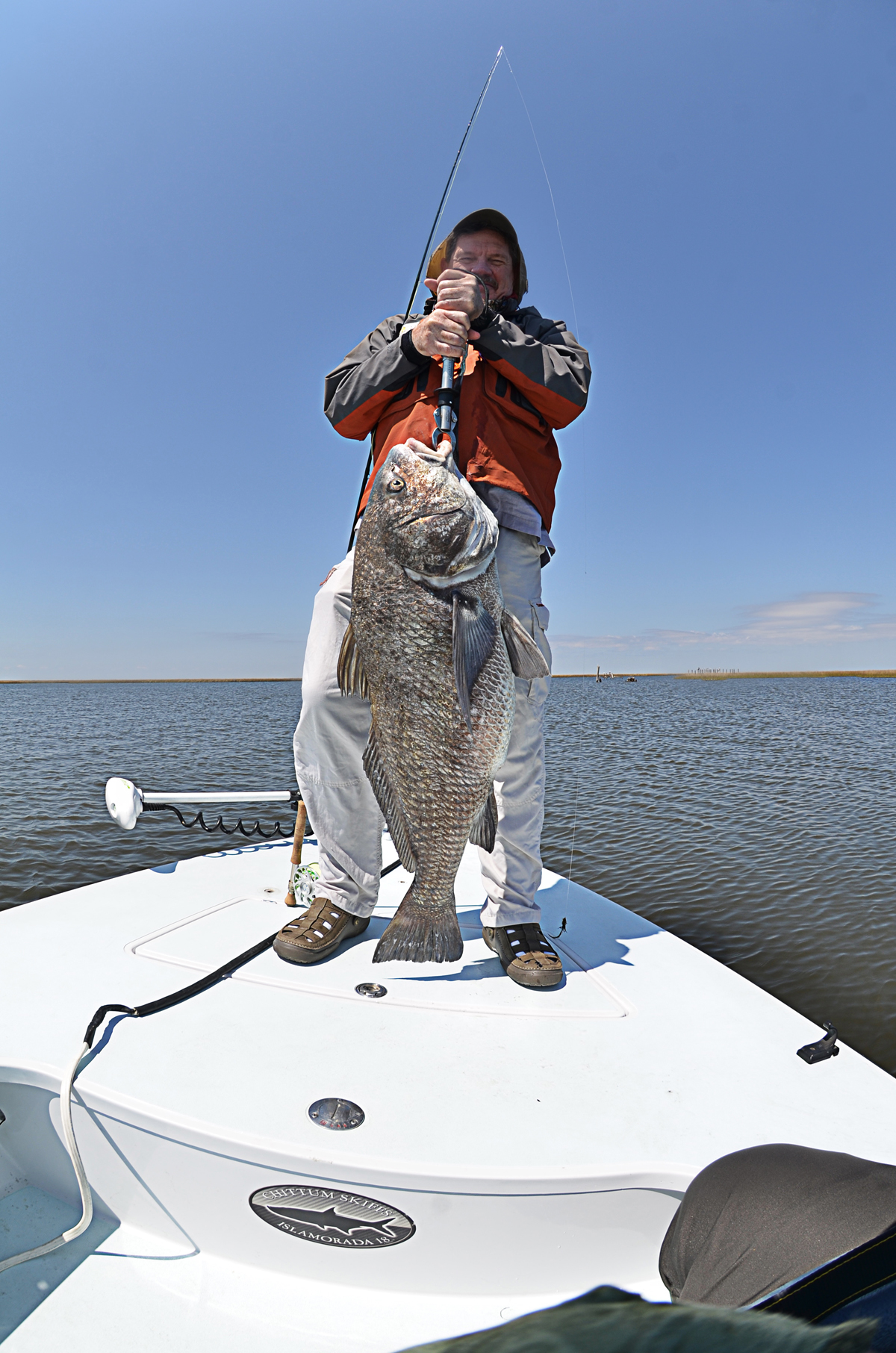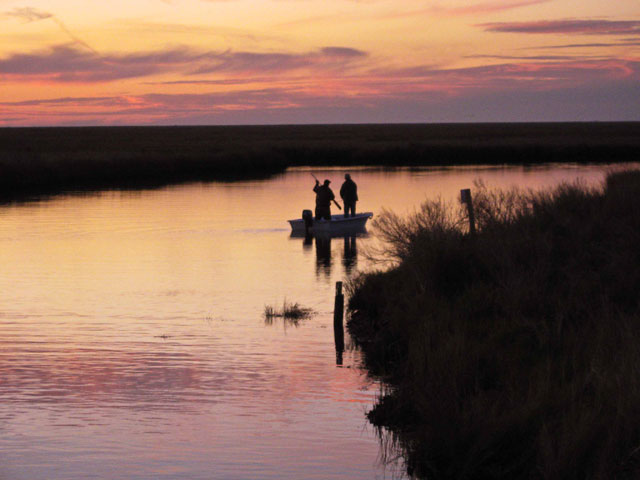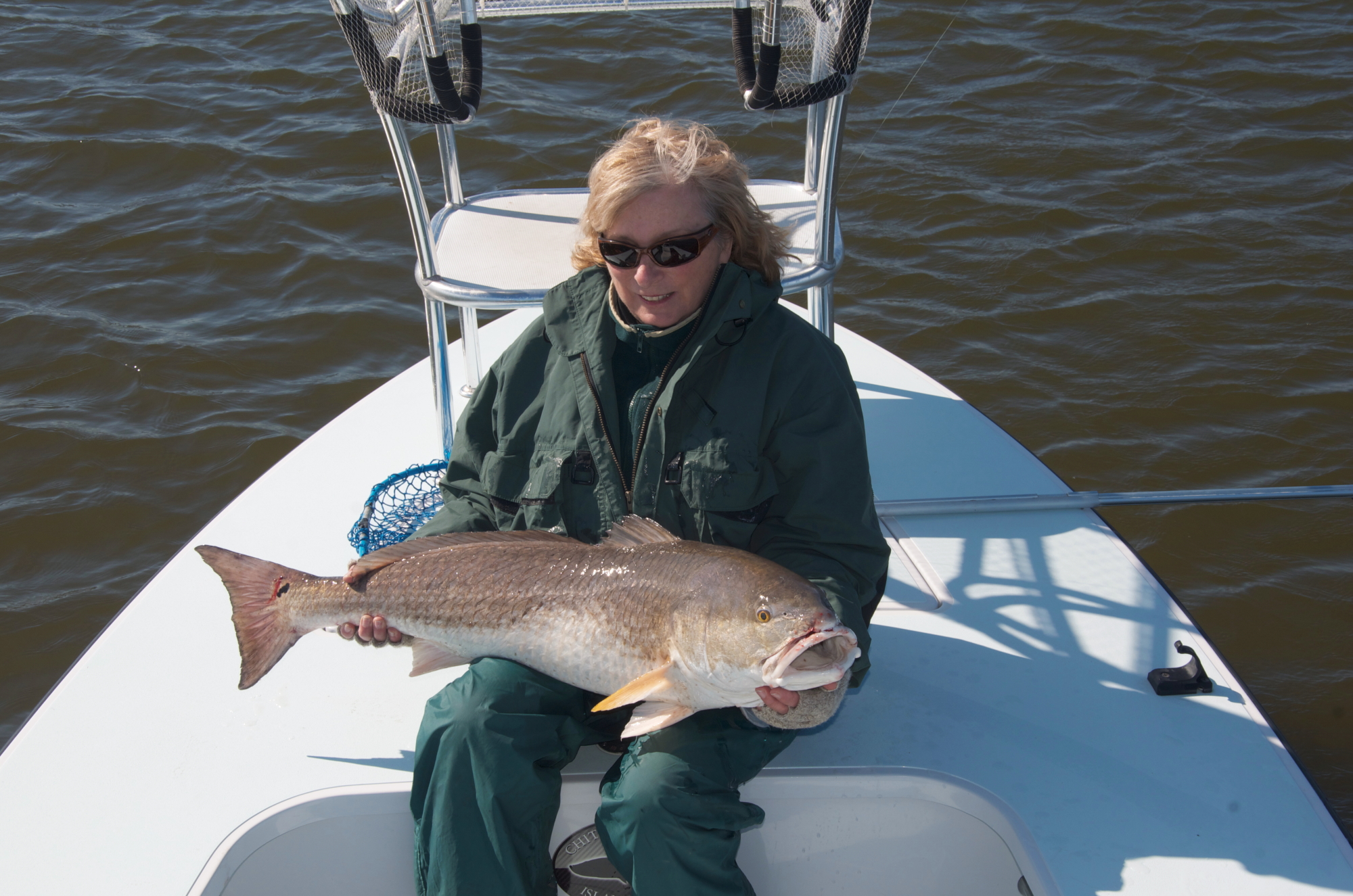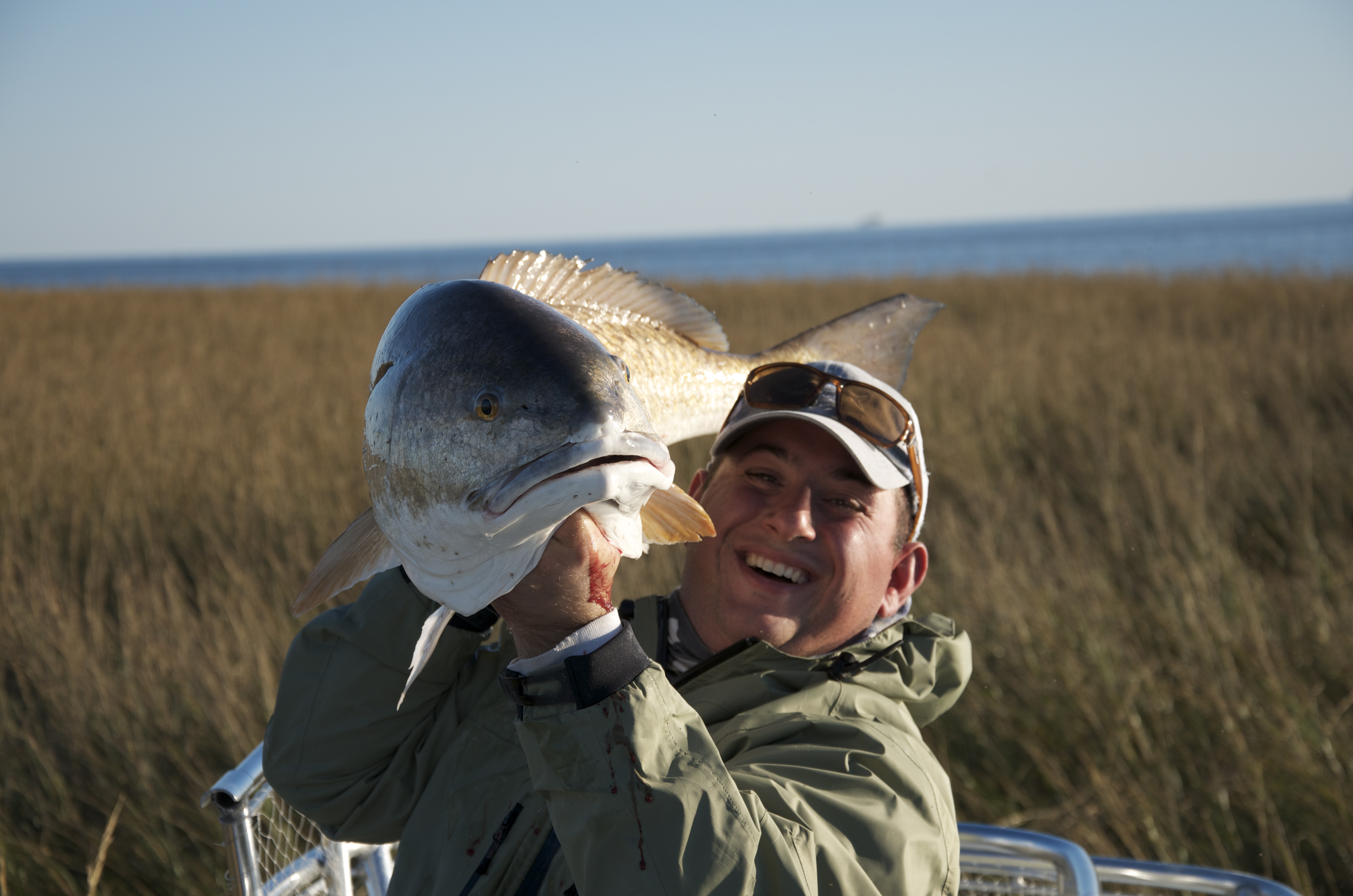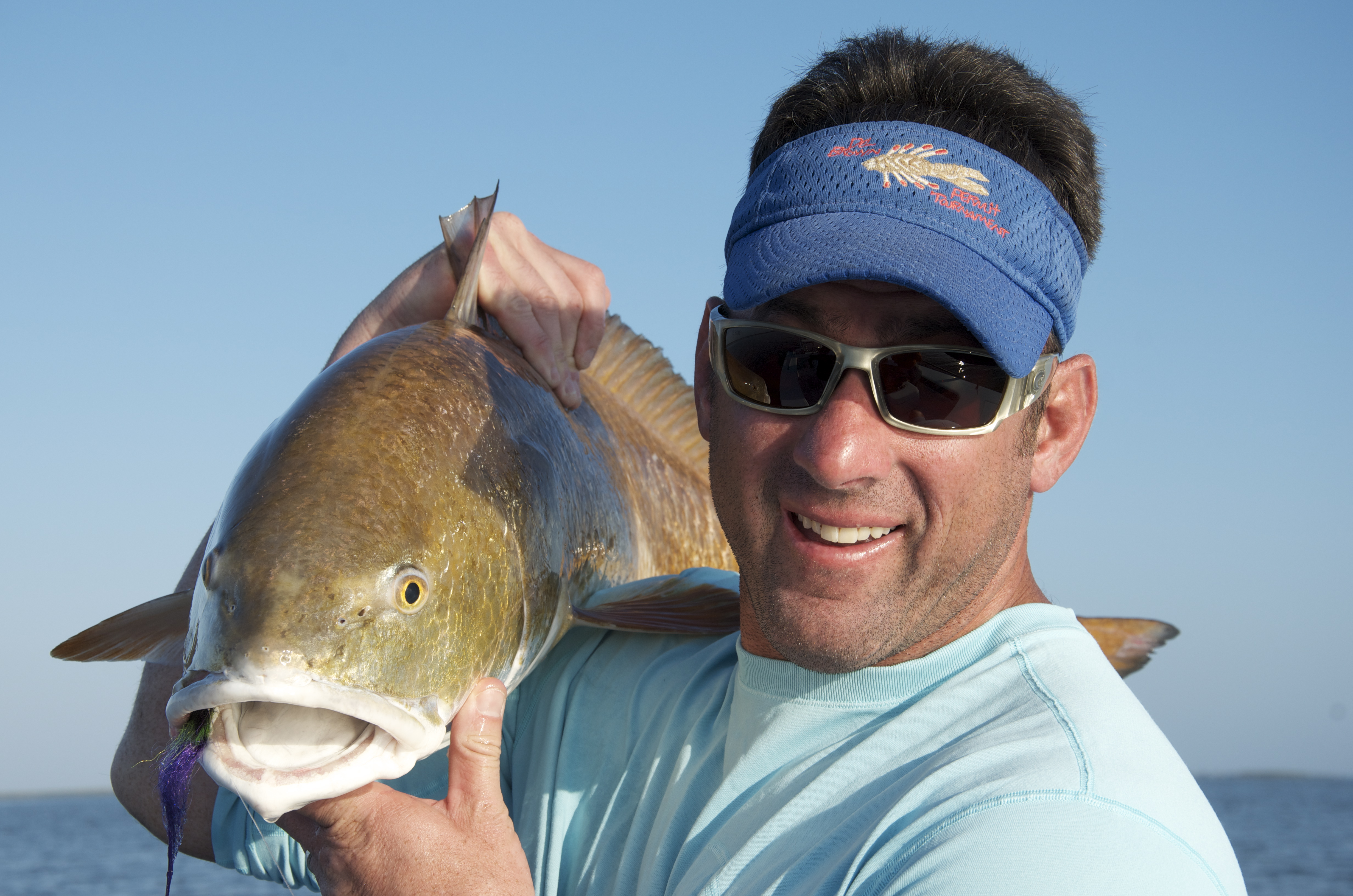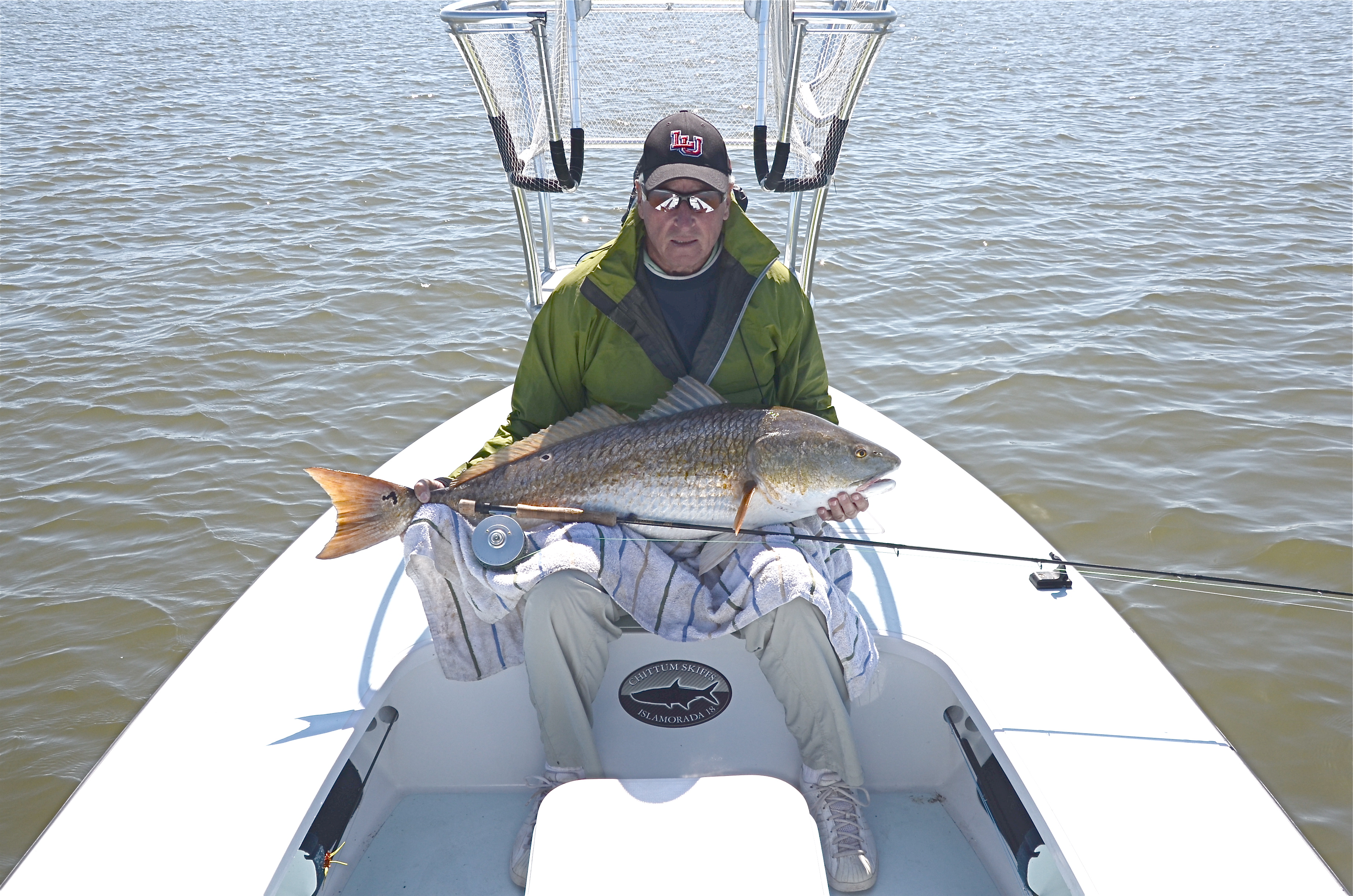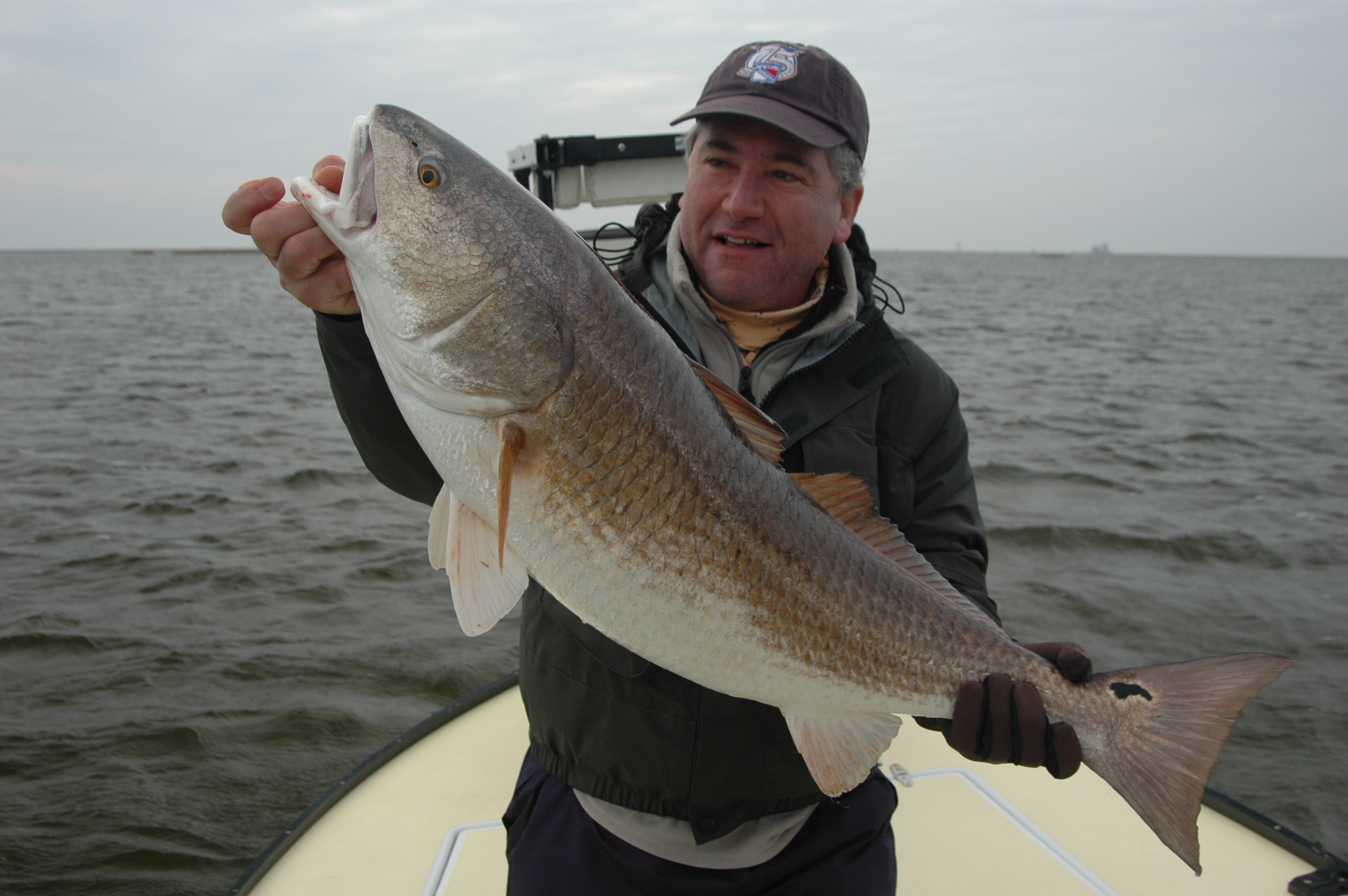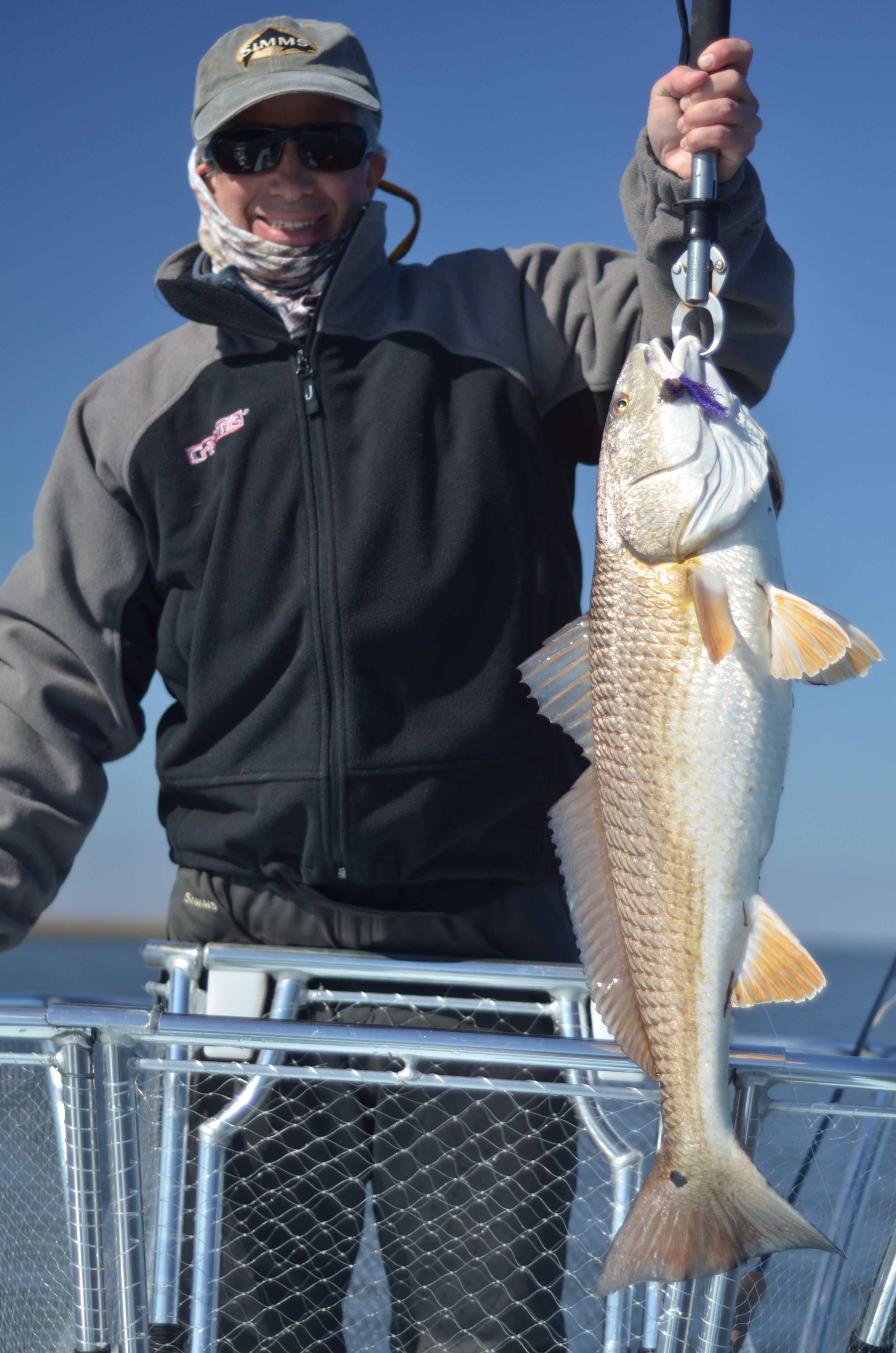
Each spring, the marsh comes alive with movement and feeding activity. This is when Louisiana fly fishing charters become most productive, as tide, clarity, and bait combine to make the marsh not just fishable, but genuinely active and consistent. Spring brings balance back to the marsh after the colder, wind-driven conditions of winter.
From March through May, Louisiana fly fishing charters experience more stable temperatures, better water clarity, and stronger tidal cycles. As the water warms into the low to mid 60s and baitfish return, redfish feeding behavior increases noticeably. This is the season where preparation meets opportunity on the Louisiana flats.
The spring pattern is marked by transitions. Redfish move from wintering areas back into interior marsh ponds and edges, taking advantage of increasing forage availability. The shift is gradual but consistent, with fish becoming more visible, more aggressive, and easier to pattern across a range of water depths and structure types. While redfish remain present throughout Louisiana year-round, spring is when they begin to move confidently and hold in the shallows for extended periods.
Finding redfish in spring requires paying attention to water movement, clarity, and structure. The marsh offers many potential spots, but productive areas share a few key features that successful Louisiana fly fishing charters focus on.
Interior ponds become active feeding grounds in spring. Redfish push deep into these shallow pockets where bait collects, especially on a rising or falling tide. Look for subtle movement at the surface—wakes, tails, or sudden pushes near the grass edge. These shallow zones are where spring fishing becomes most productive on Louisiana charters.
Marsh drains and cuts are natural high-traffic zones. Where smaller channels empty into larger bayous or ponds, water movement creates funnels for bait. These areas are often most productive on a falling tide when bait is pushed out, making them reliable targets for Louisiana fly fishing charters.
Shoreline points and edges give redfish ambush angles and cover. Curved or tapered edges along a pond or bayou are reliable targets when water clarity is high and fish are cruising or holding near the grass. These structural elements are crucial to understanding where to focus your efforts on Louisiana fly fishing charters.
Shell beds and hard bottom areas with scattered oyster or shell create both structure and forage. Redfish often patrol these zones slowly, looking for crabs or baitfish tucked along the edge of harder bottom transitions. These areas produce consistently during spring months.
Spring redfish can shift quickly between zones depending on tide, wind, and water clarity. Movement tends to follow the bait, and anglers who adjust with the conditions see more consistent results on the water. This adaptive approach is essential for success on Louisiana fly fishing charters during spring.
Understanding these patterns and holding areas gives you an advantage when planning a charter. Spring is when the marsh offers its most readable and consistent fishing, making it an ideal time to experience fly fishing in Louisiana.