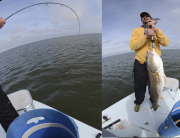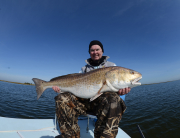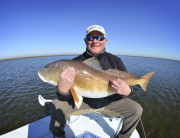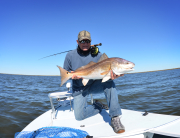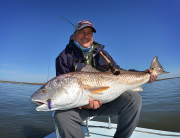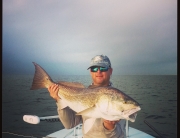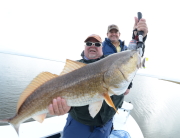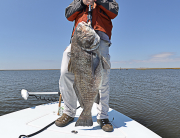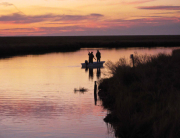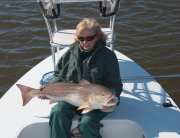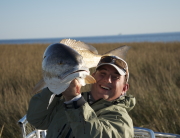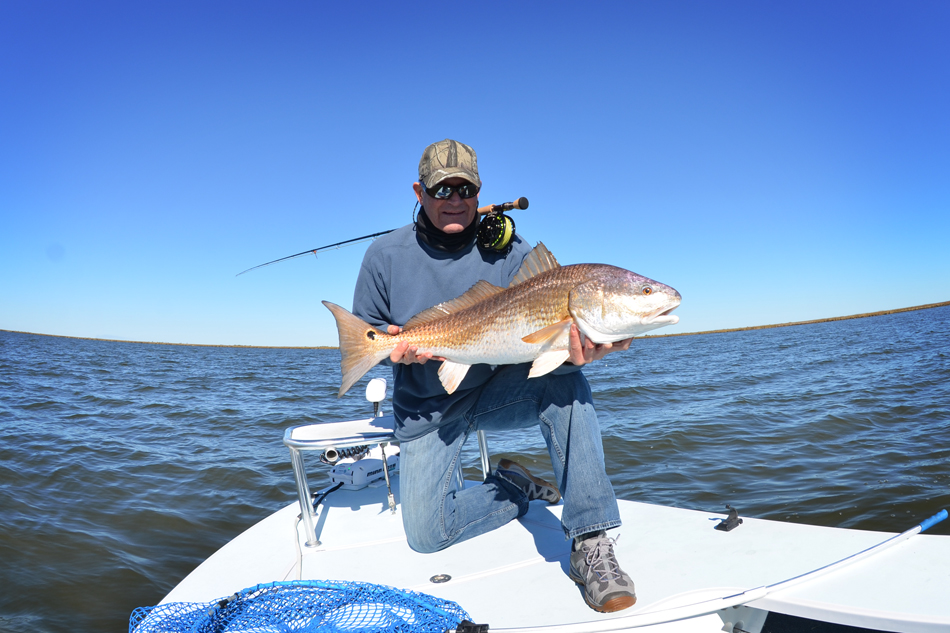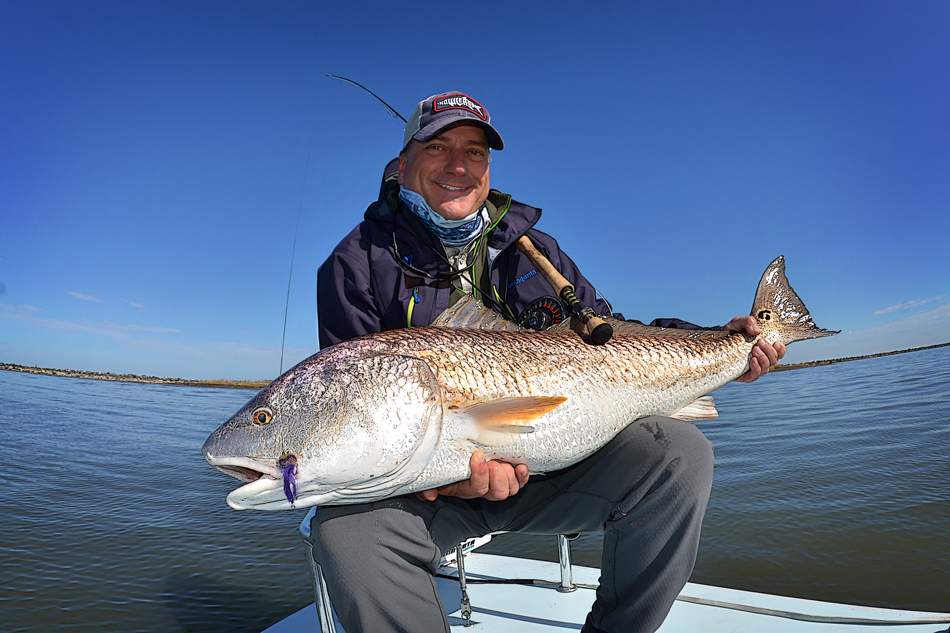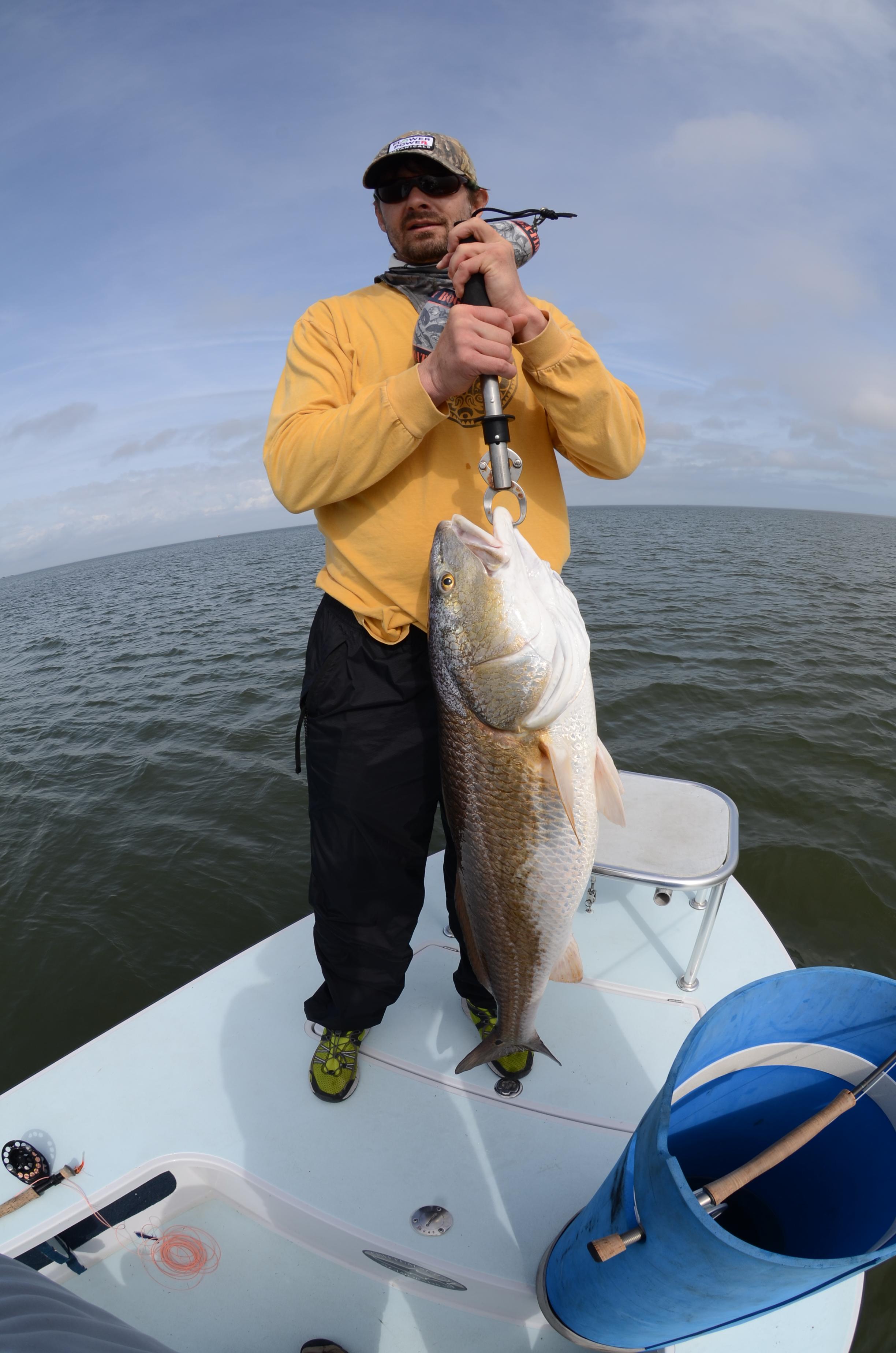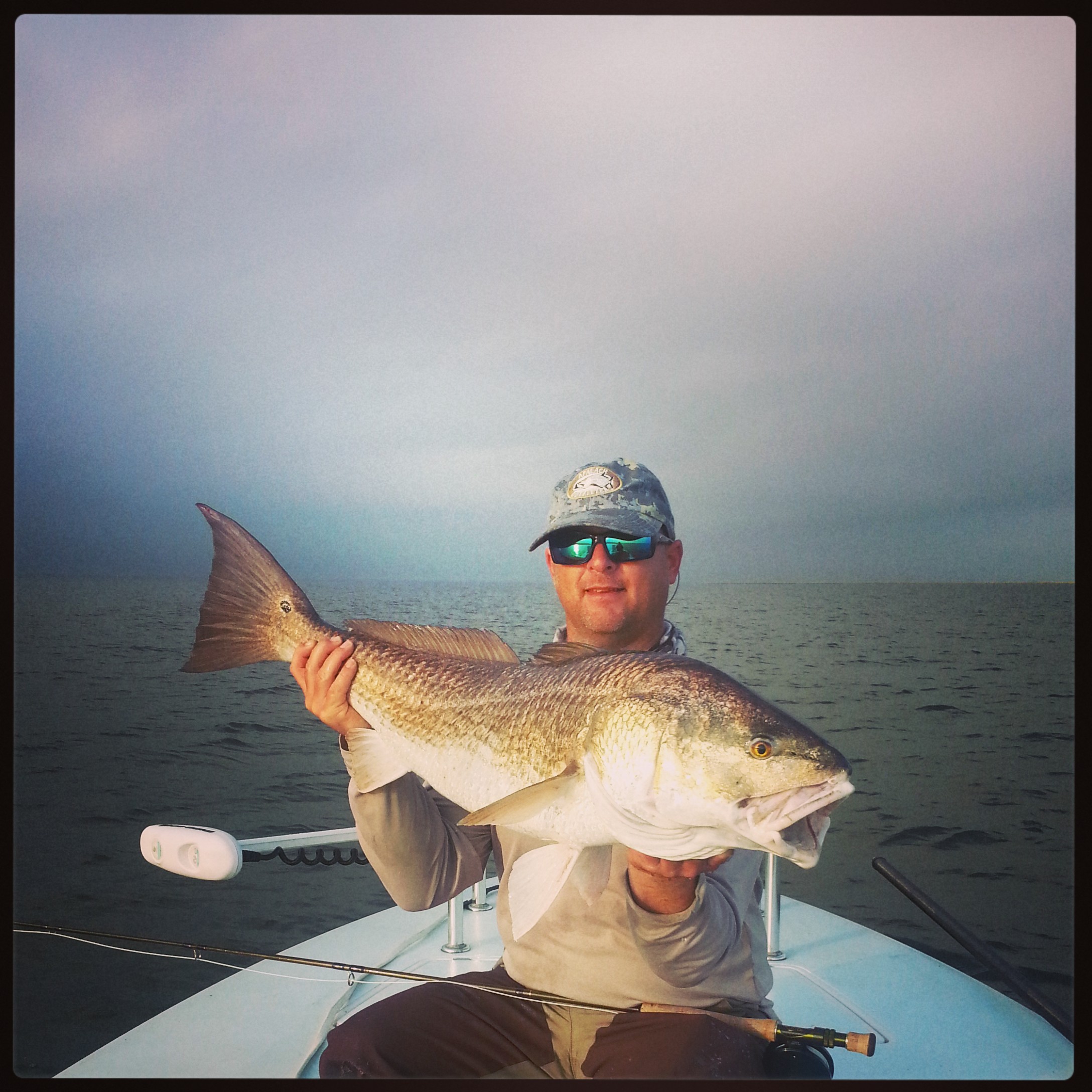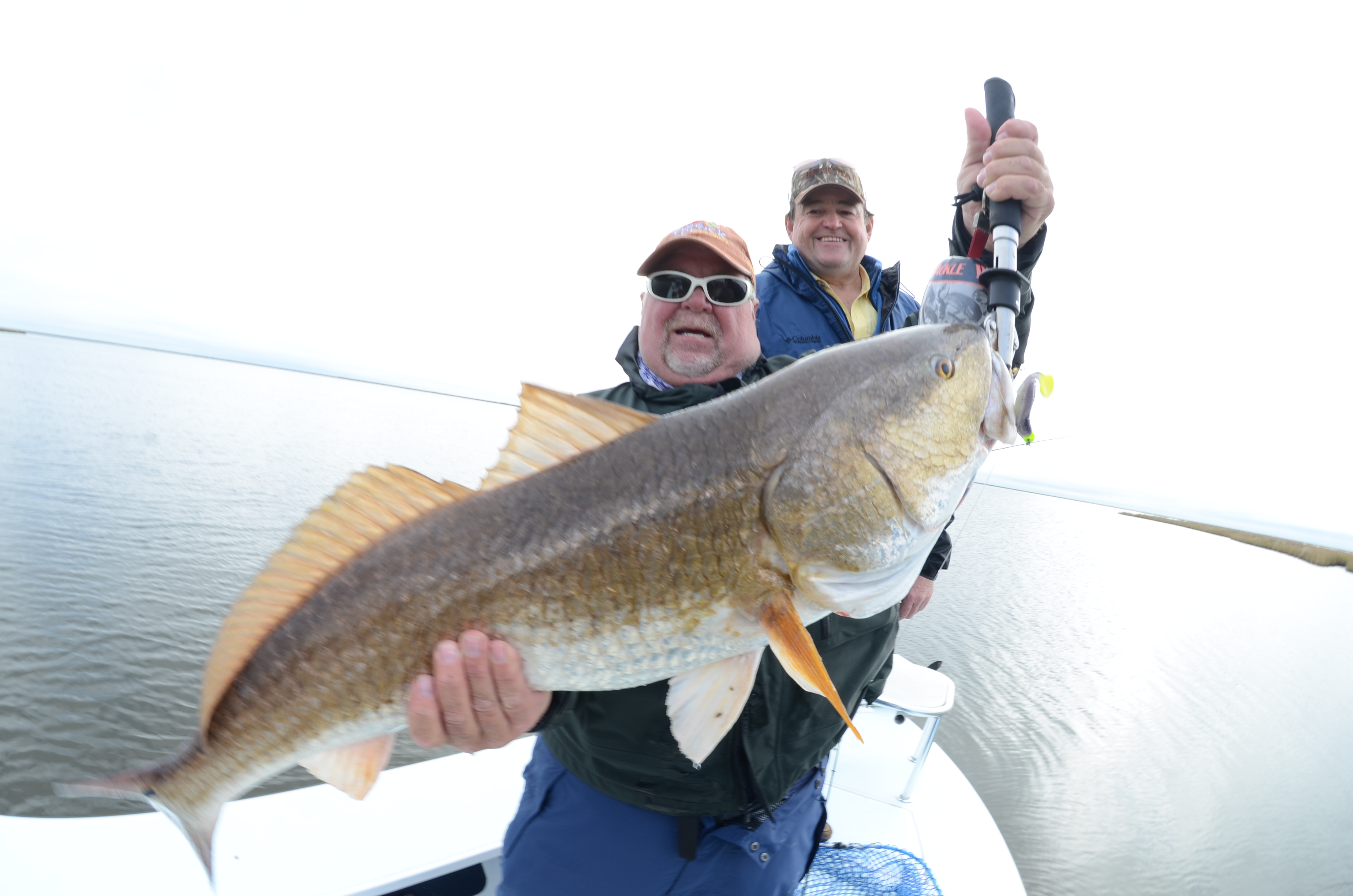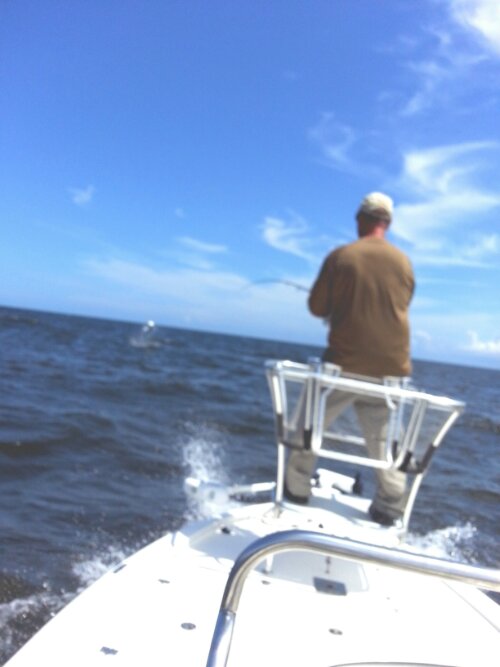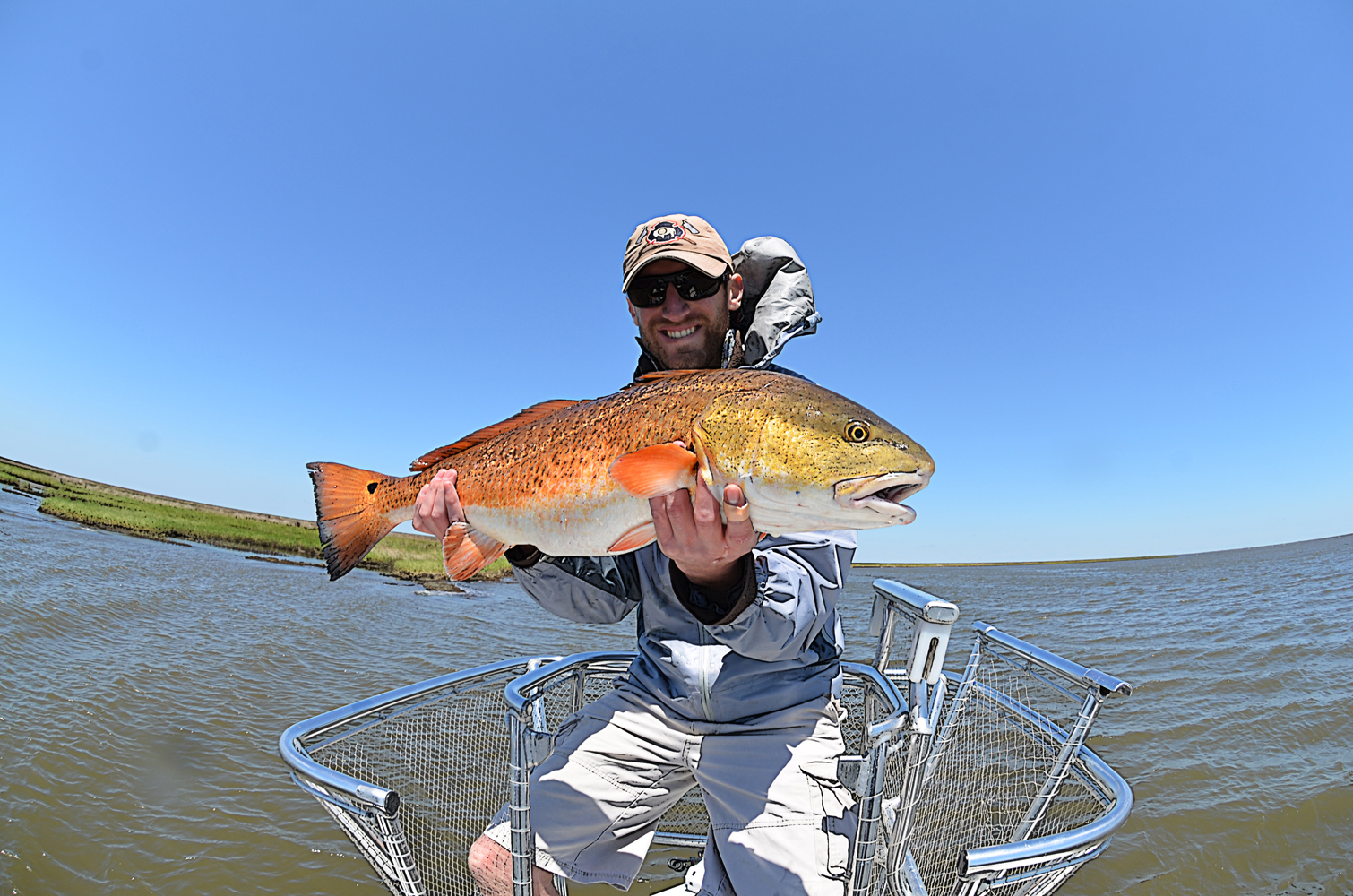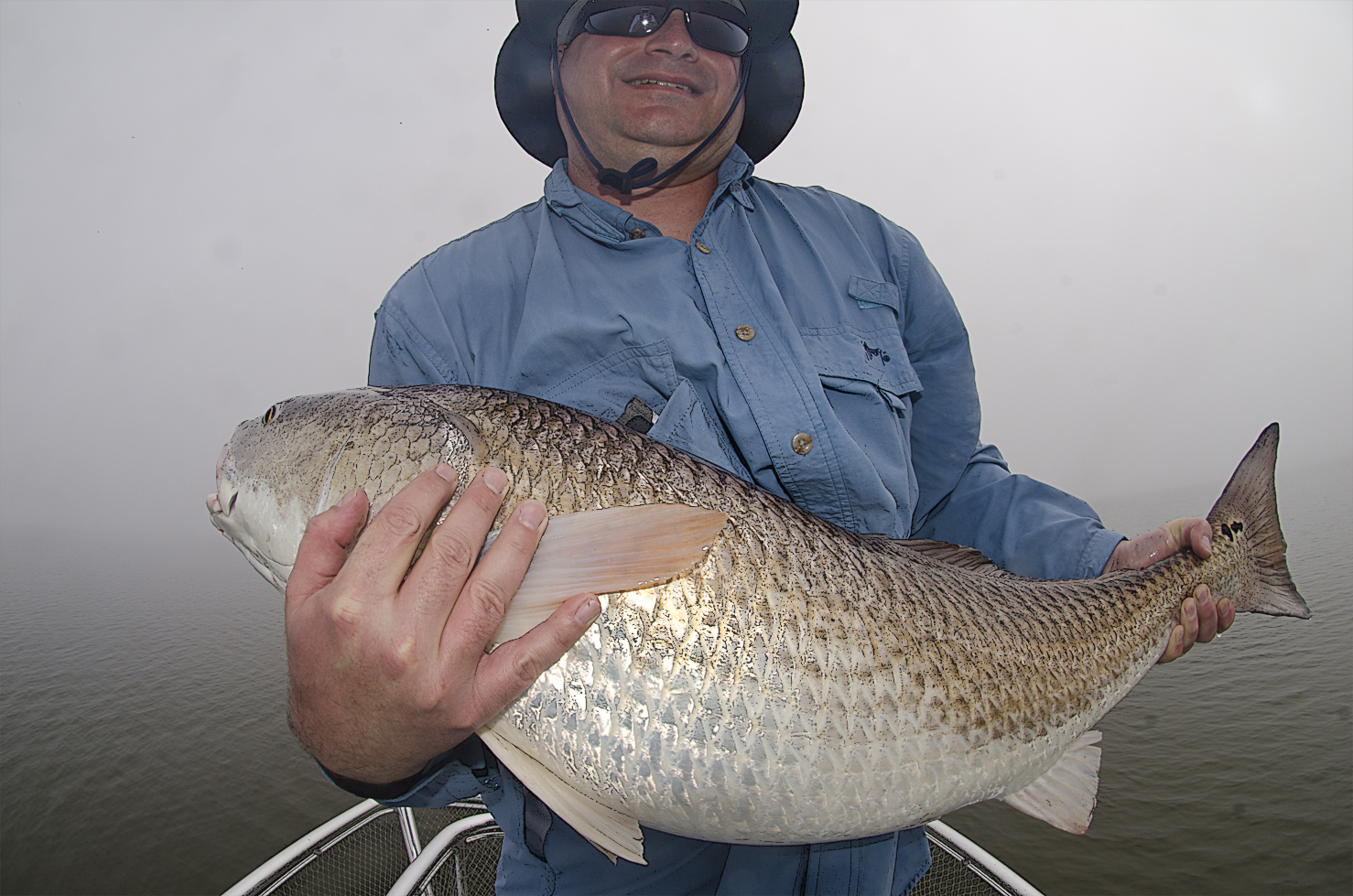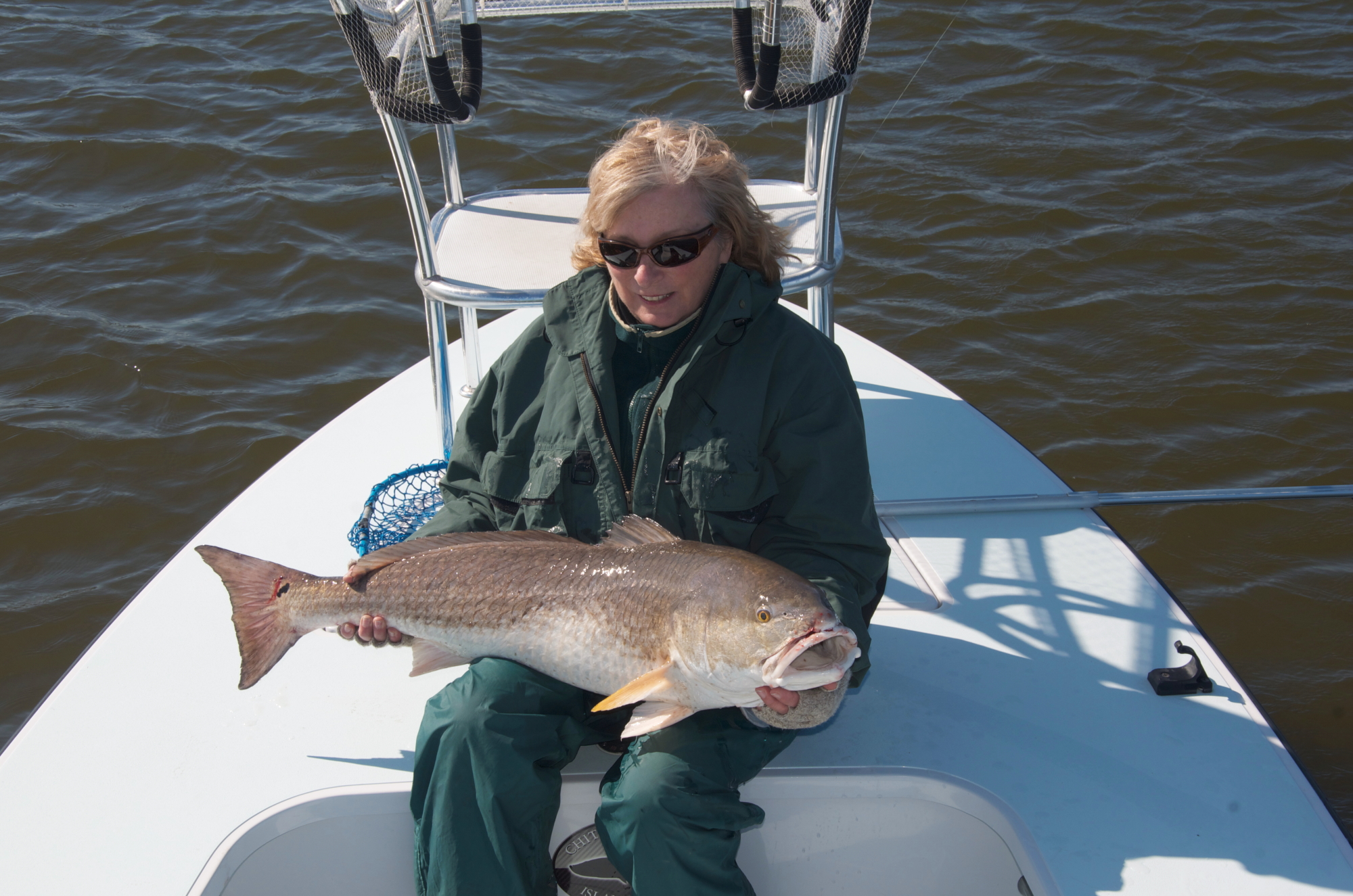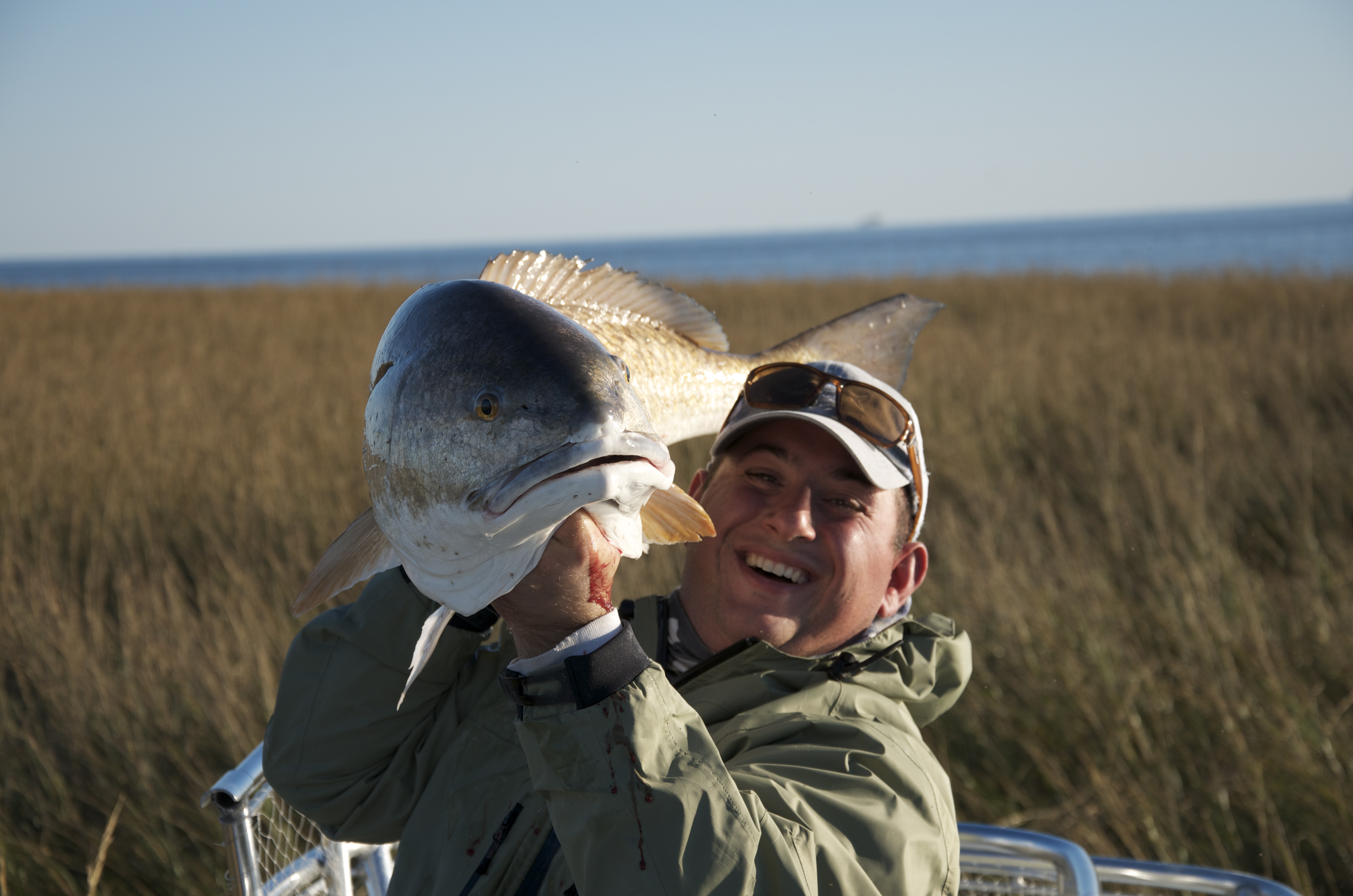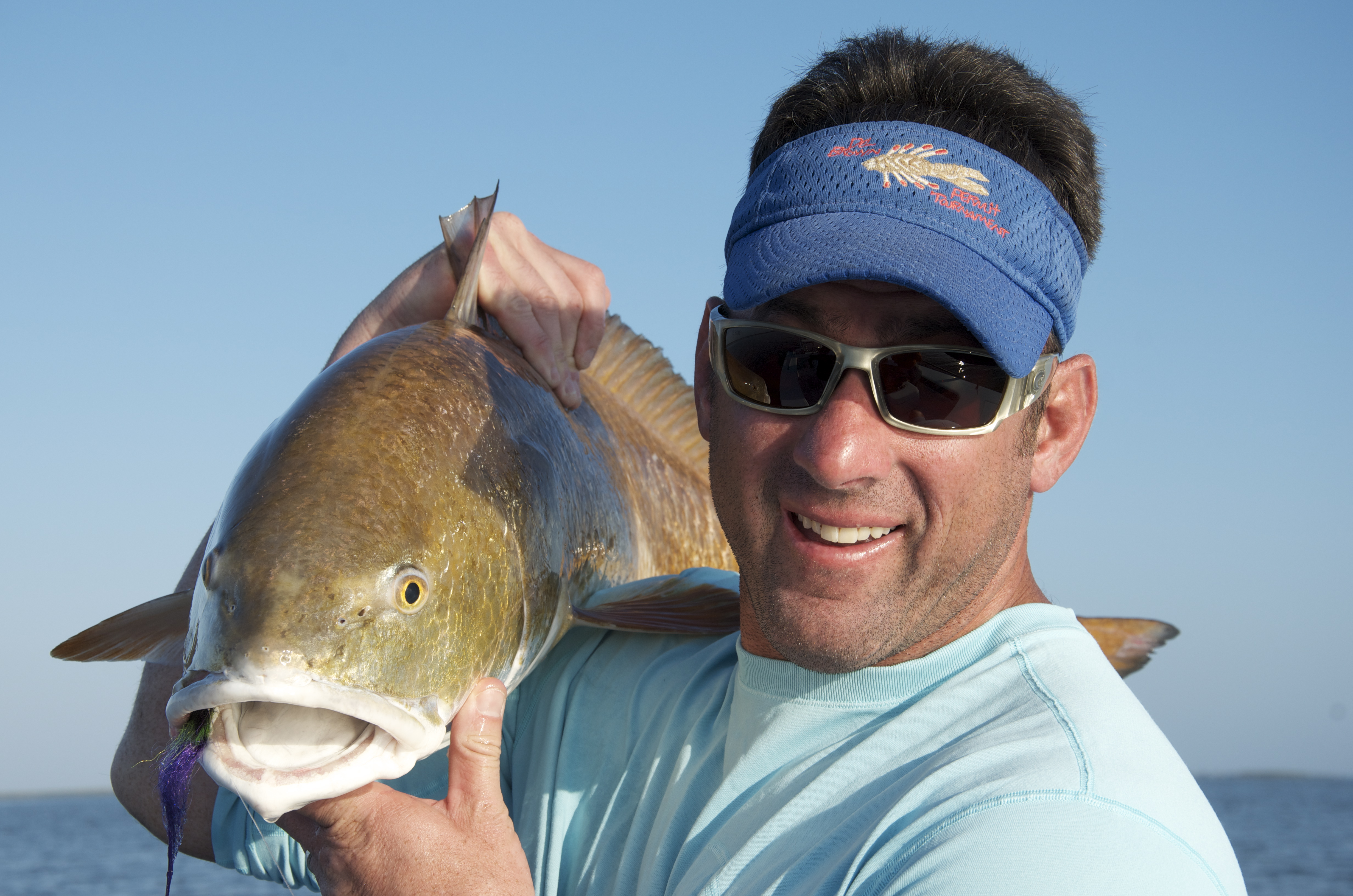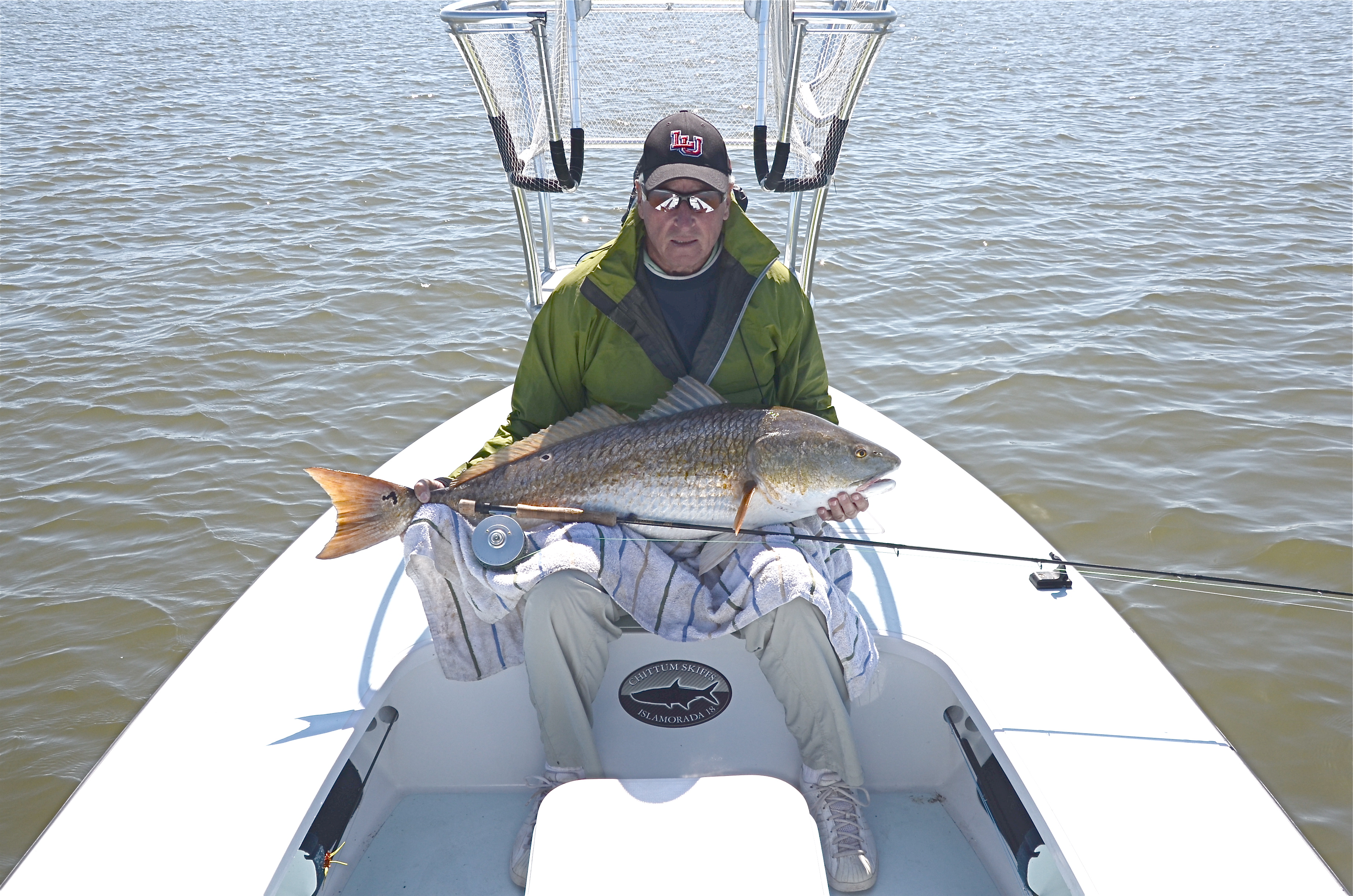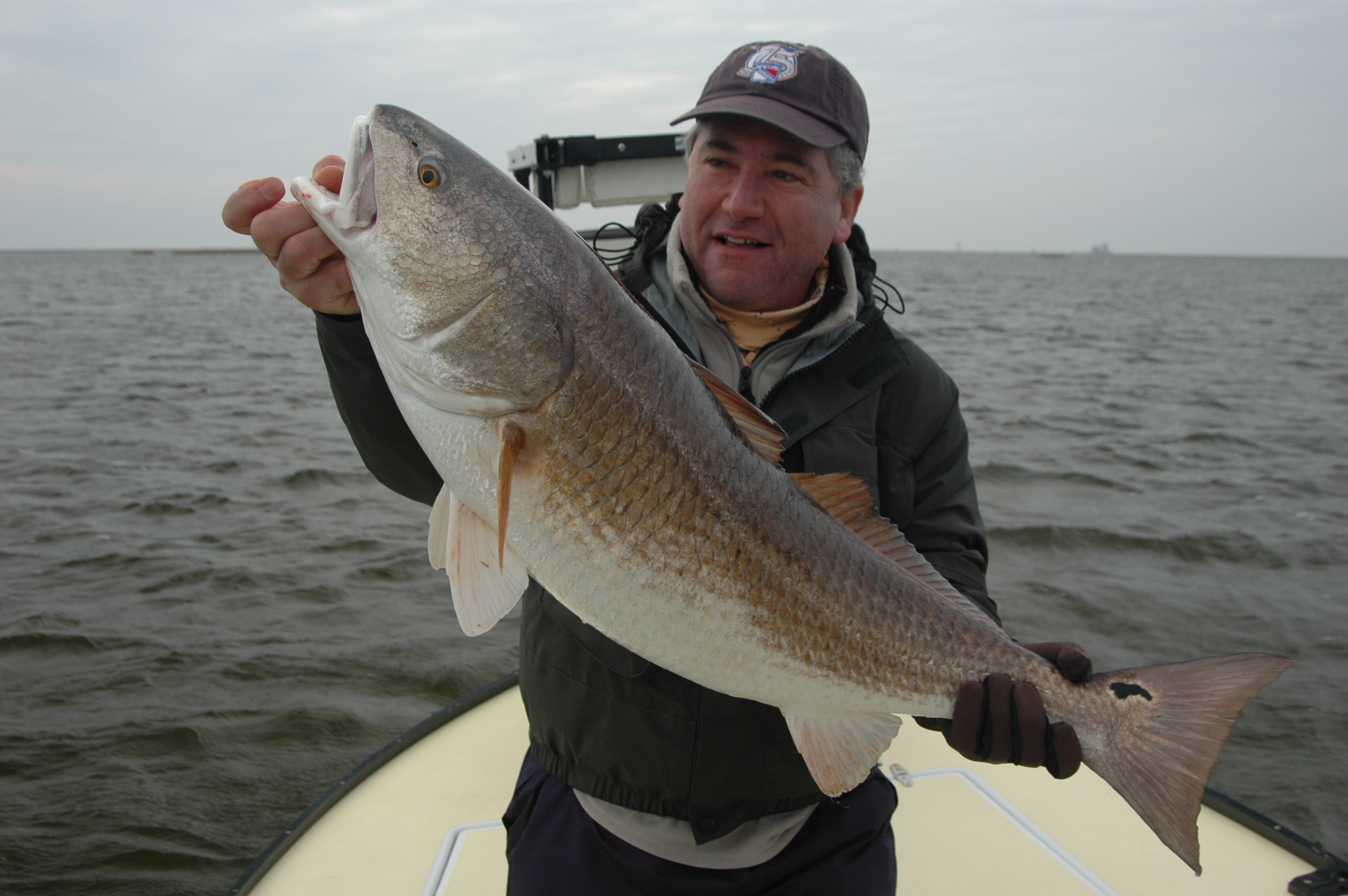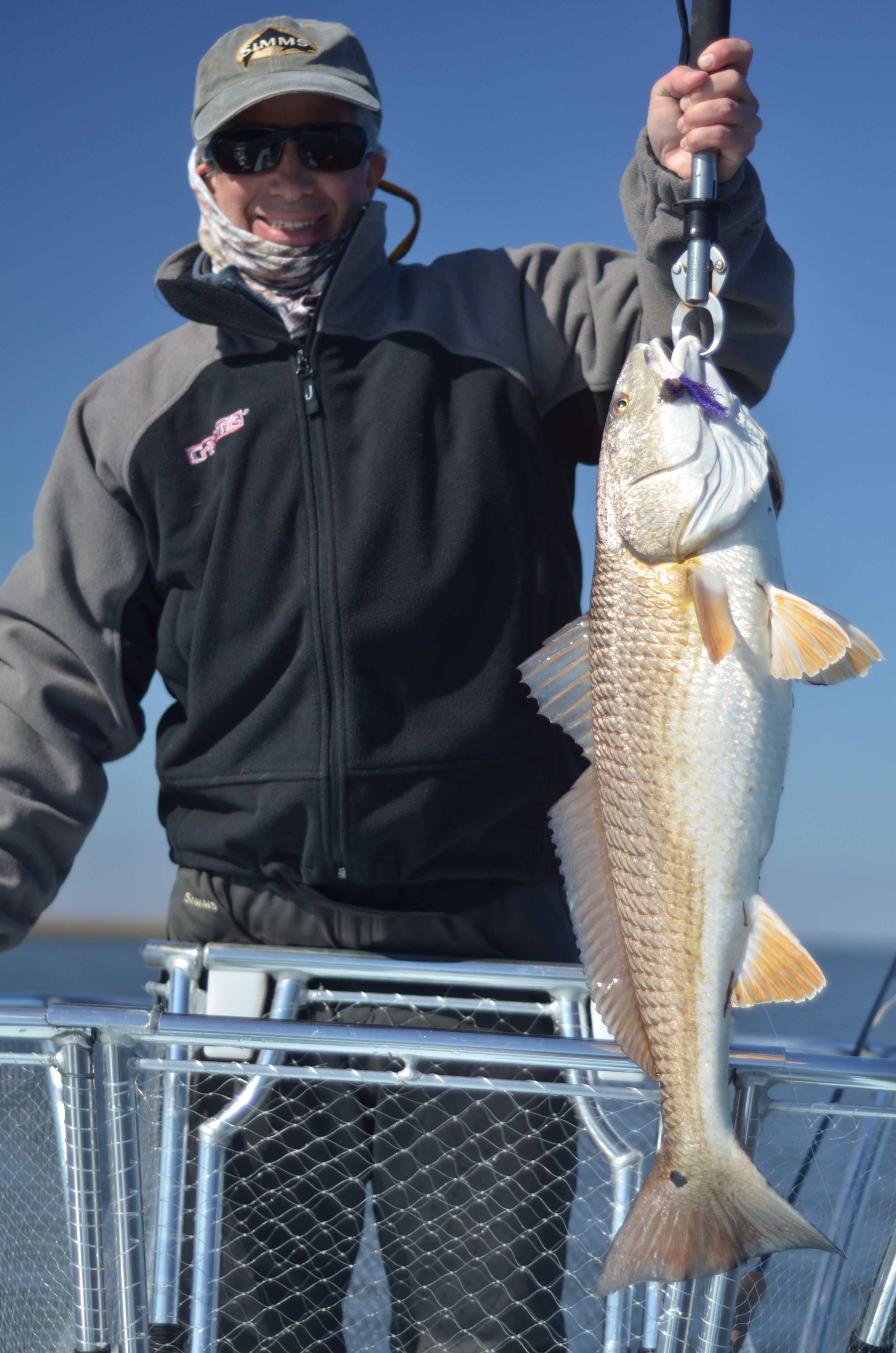
Spring transforms Louisiana’s marsh environment. For anyone interested in fly fishing for redfish Louisiana, this season represents peak conditions. The combination of warming water, returning baitfish, and stable weather patterns creates ideal circumstances for Louisiana fly fishing charters to deliver consistent action.
When you book a Louisiana fly fishing charter during spring, you’re timing your trip around a natural cycle that triggers aggressive redfish behavior. As temperatures climb from the low 60s upward, redfish abandon their winter patterns and begin actively feeding across shallow structure. This behavioral shift is what makes spring fly fishing for redfish Louisiana so productive and rewarding.
The marsh environment itself changes during spring months. Water clarity improves significantly compared to winter’s turbid conditions. This improved visibility means redfish can hunt more effectively, and sight-fishing becomes more reliable. For Louisiana fly fishing charters, better water clarity translates directly to more opportunities to locate and approach feeding fish.
Baitfish movement drives much of the spring action. As forage species become more abundant and active, redfish respond by spending more time in shallow feeding zones. Interior marsh areas that seemed slow during winter suddenly become active and worth fishing. Louisiana fly fishing charters capitalize on this baitfish abundance to position anglers where redfish are actively hunting.
Tide management becomes increasingly important during spring. Stronger tidal movements mean more water displacement through marsh cuts, drains, and channels. These moving water corridors concentrate bait and attract redfish looking for easy meals. Understanding how to time your fly fishing for redfish Louisiana with tidal movement can dramatically increase your success rate.
The transition from deeper wintering grounds to shallow feeding habitat happens gradually throughout spring. Redfish don’t abandon the entire marsh—they’ve been present year-round—but their distribution shifts noticeably. More fish spend more time in accessible shallows, which is exactly where Louisiana fly fishing charters focus their efforts. This natural migration makes fishing more predictable and consistent.
Structure takes on new importance during spring. Marsh edges, interior pond banks, shell beds, and vegetation lines all serve as staging areas where redfish pause to hunt. A skilled fly fishing guide can read these structural elements and identify where redfish are most likely to be positioned. Louisiana fly fishing charters succeed by understanding how structure and water movement work together to concentrate fish.
Redfish feeding patterns become more aggressive as water temperatures stabilize in spring. They’re not tentative—they commit to eating when they’re interested. This aggression makes fly fishing for redfish Louisiana particularly exciting during these months. Takes are decisive, and the fishing feels more active than slower winter patterns.
What separates successful spring fly fishing for redfish Louisiana from unsuccessful trips is attention to detail. Watching for subtle signs—wakes, nervous water, flashing tails—helps anglers identify feeding fish before they strike. Louisiana fly fishing charters with experienced guides develop eyes for these small indicators that signal the presence of actively hunting redfish.
Spring also brings more favorable wind conditions compared to other seasons. Stable high-pressure systems result in lighter, more manageable wind. For sight-fishing from a skiff, this matters tremendously. Louisiana fly fishing charters benefit from calmer conditions that allow better visibility and easier boat positioning around feeding fish.
If you’re planning your first Louisiana fly fishing charter or returning for another spring adventure, understand that this season offers something special. The marsh is alive, the redfish are aggressive, and the conditions support consistent fishing. Spring fly fishing for redfish Louisiana represents the intersection of natural patterns and opportunity—when everything in the environment aligns to make fishing productive and memorable.