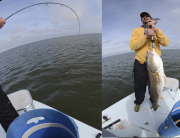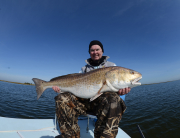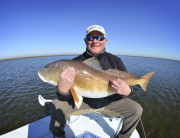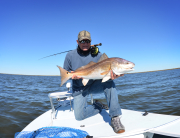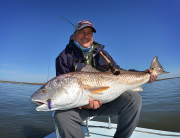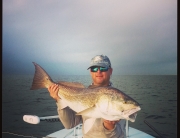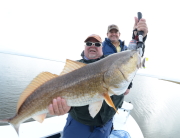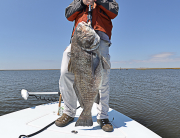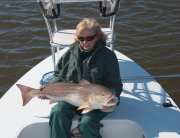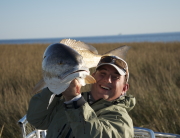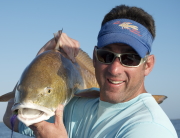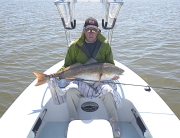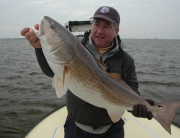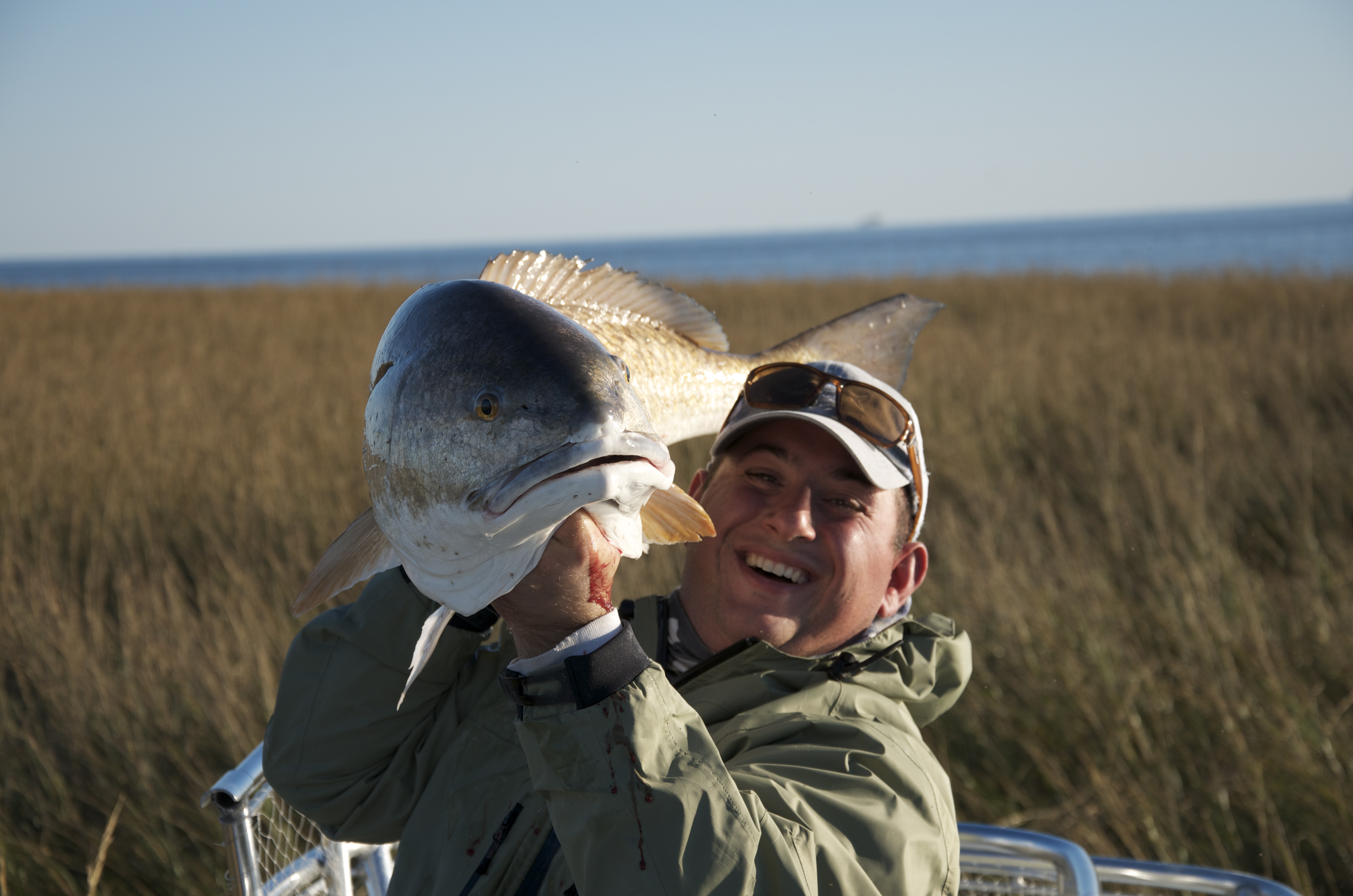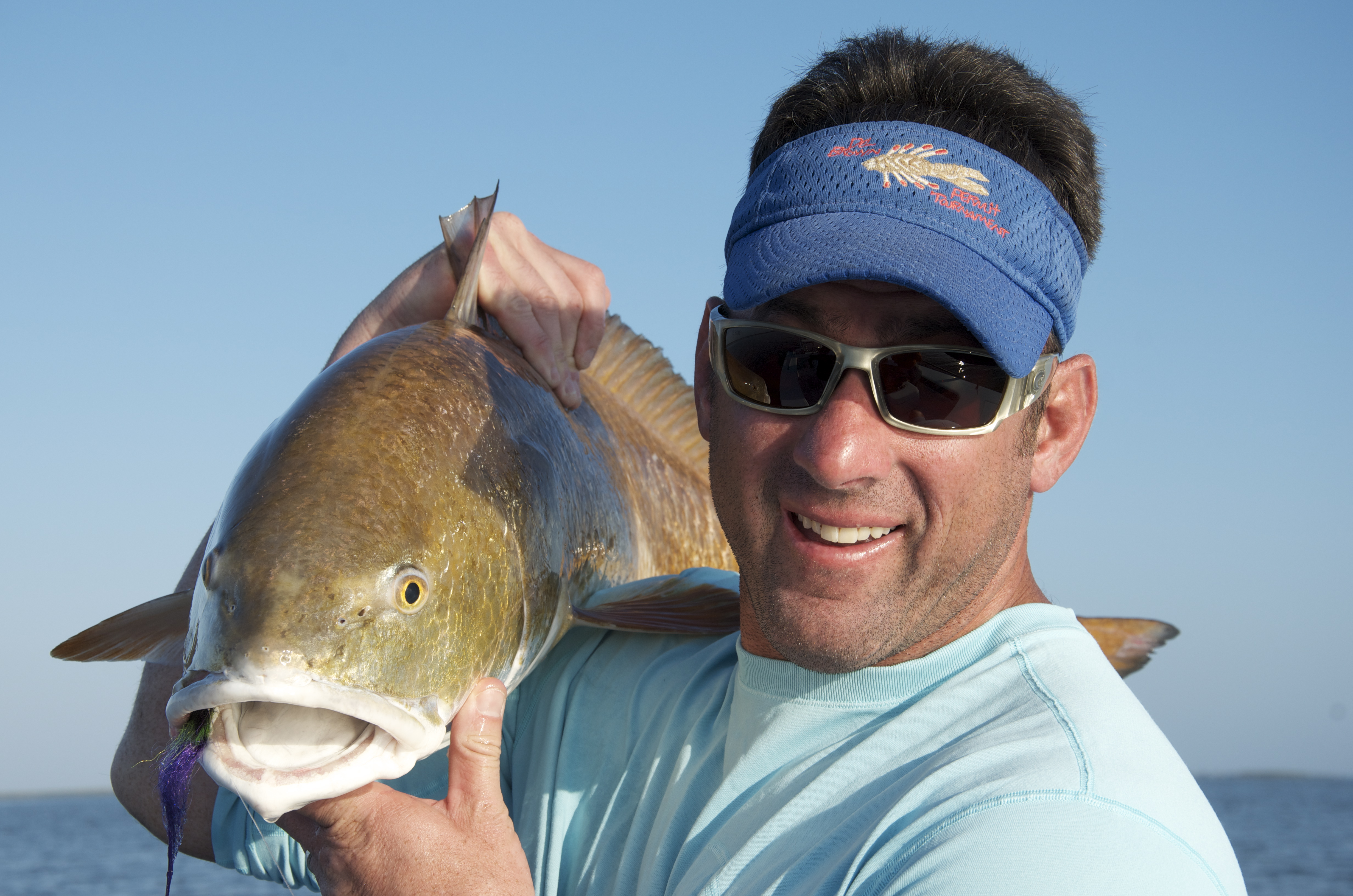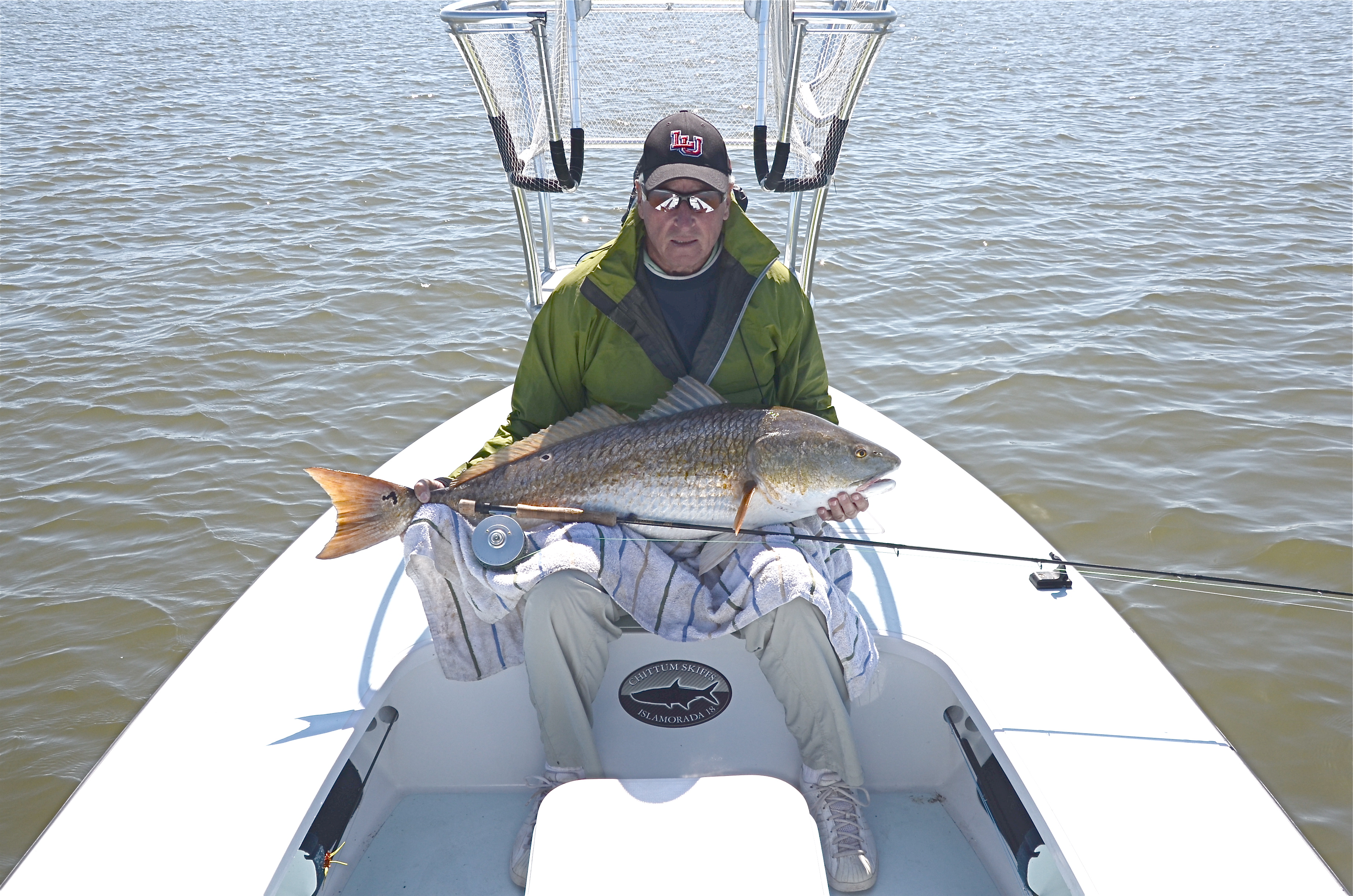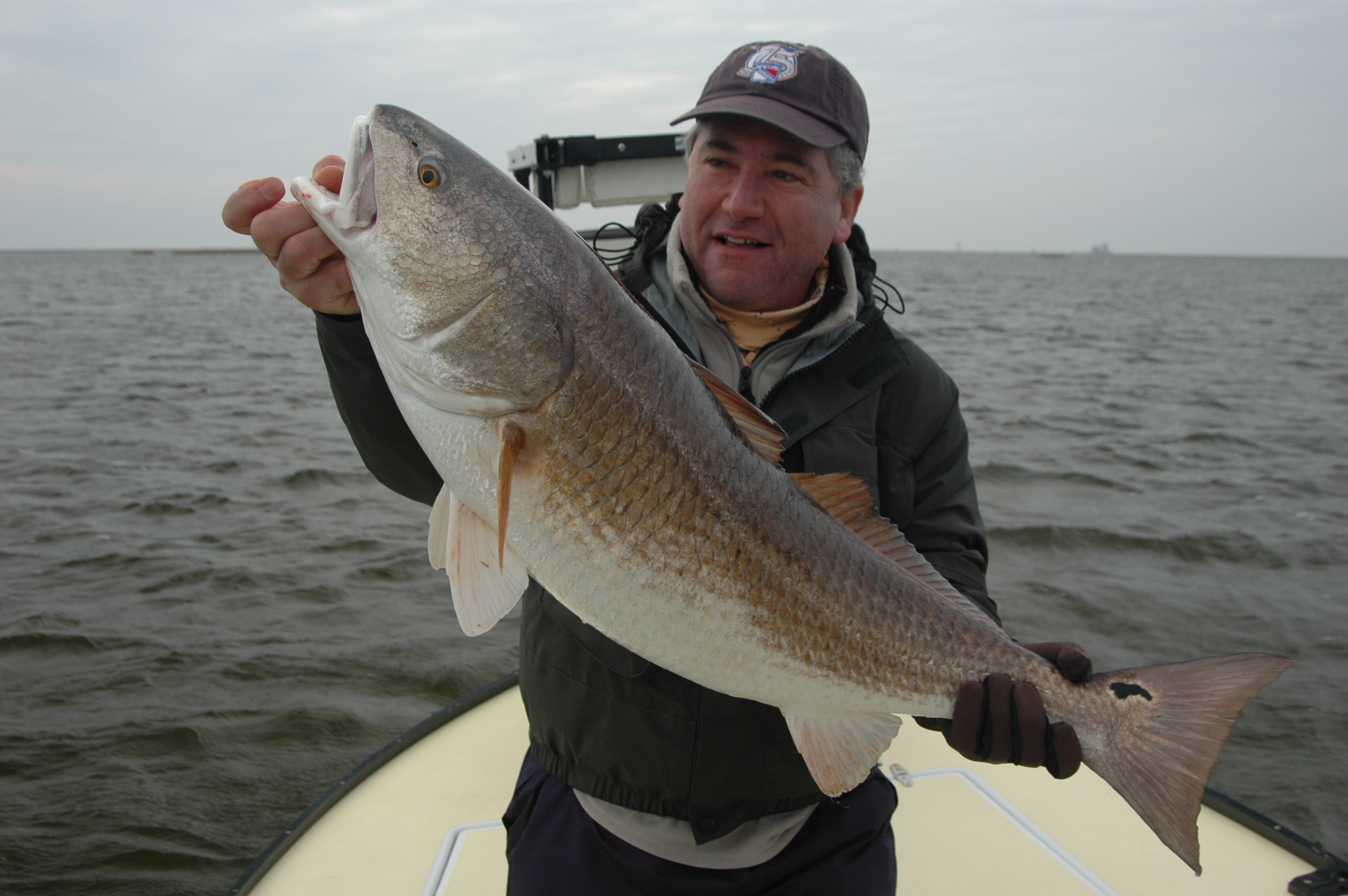
If you’ve spent any time with me on a Louisiana fishing charter, you’ve probably heard me say it: Louisiana is the greatest fly-fishing destination in North America. That’s not hyperbole born from hometown pride. It’s a conviction built over decades of guiding, learning, and fishing every season this water offers.
I want to tell you why Louisiana matters to a fly fisher—and why, if you haven’t experienced it, you’re missing something truly special.
A Different Kind of Saltwater Fly Fishing
Most anglers cut their saltwater teeth on flats in Florida or the Caribbean—clear, shallow water where you can see from the boat before you ever make a cast. Louisiana is different. Our water is often stained, sometimes downright dark. The bottom is mud, not sand. The grass is dense seagrass, not turtle grass. The terrain is bayou, not flat.
For some visiting anglers, that’s a shock. They’re expecting gin-clear Bahamian blue, and instead they get Louisiana’s particular kind of beauty: murky, productive, teeming with life.
But here’s what those stained waters mean: predators don’t rely on sight the way they do in clear water. They hunt by feel, by sound, by the vibration of wounded baitfish. That fundamentally changes how you fish. Your flies need more action. Your presentation needs more aggression. You’re hunting differently here, and honestly, once you understand that, it’s addictive.
The Species Diversity
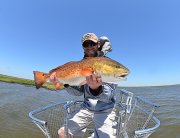
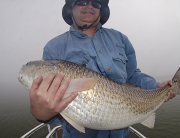
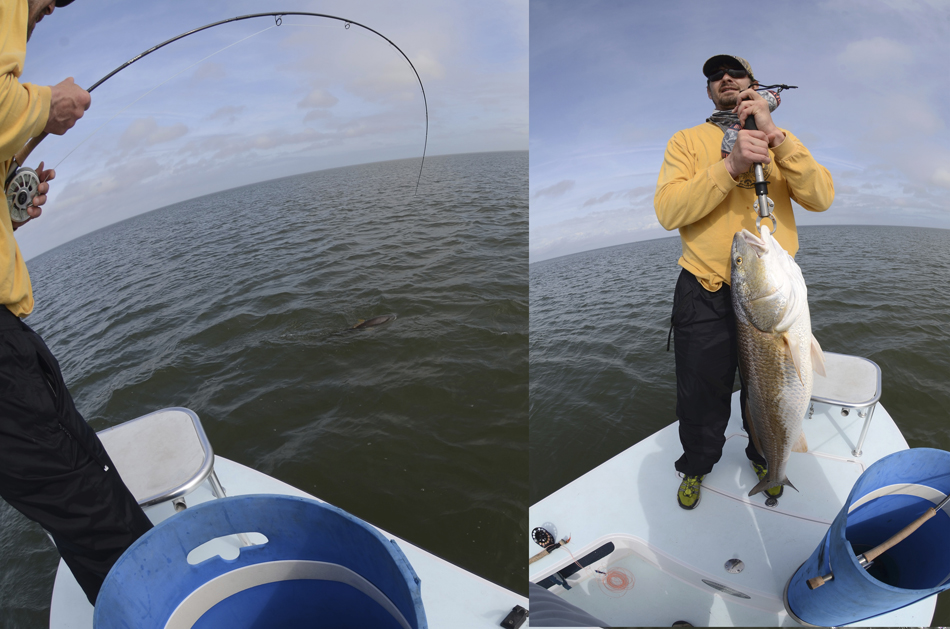
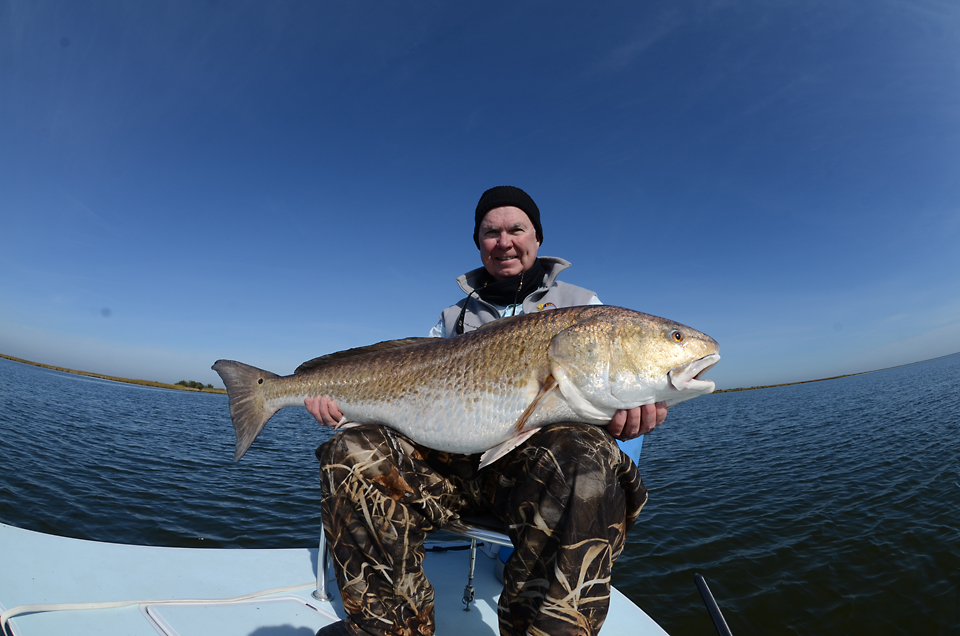
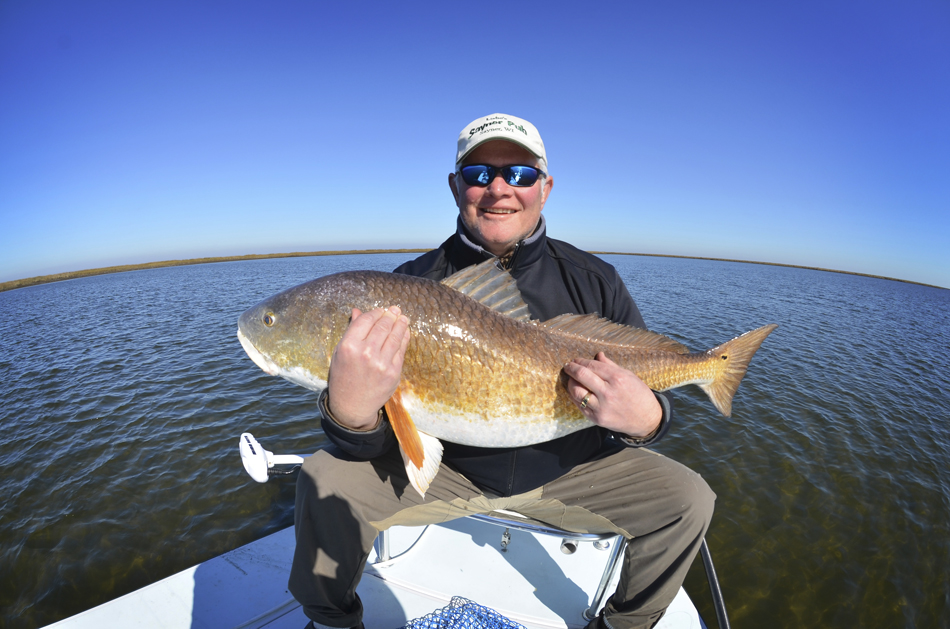
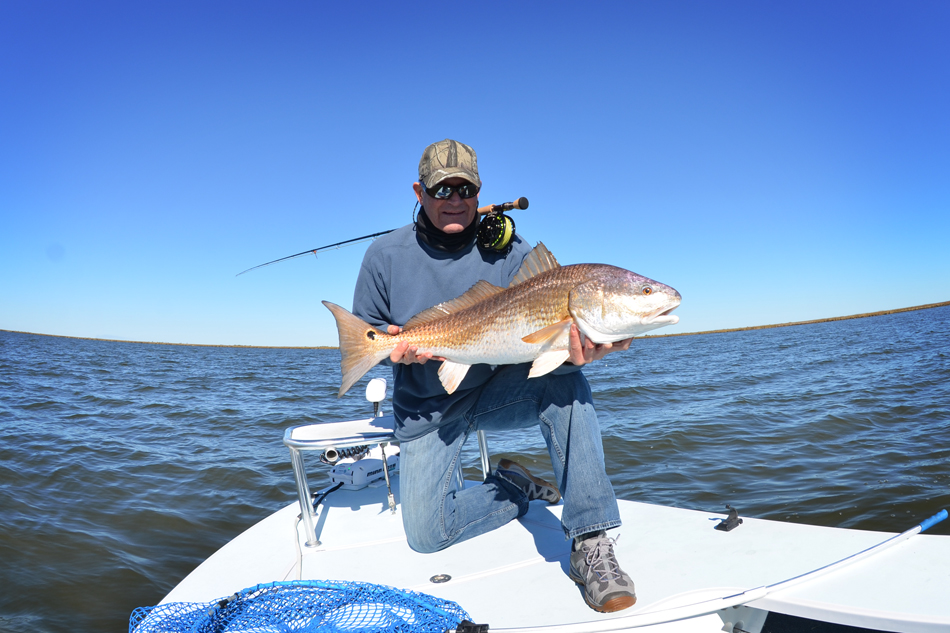
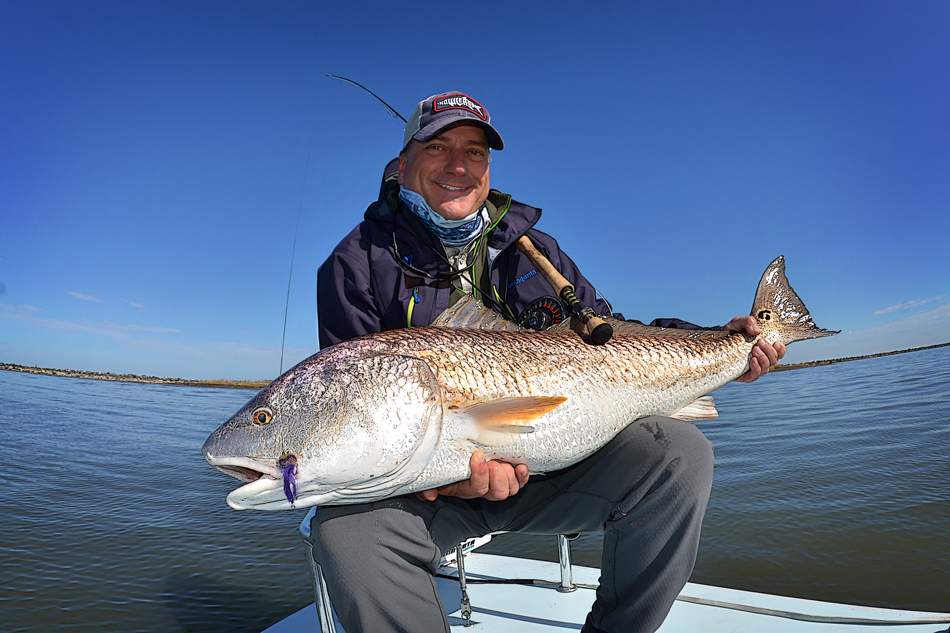
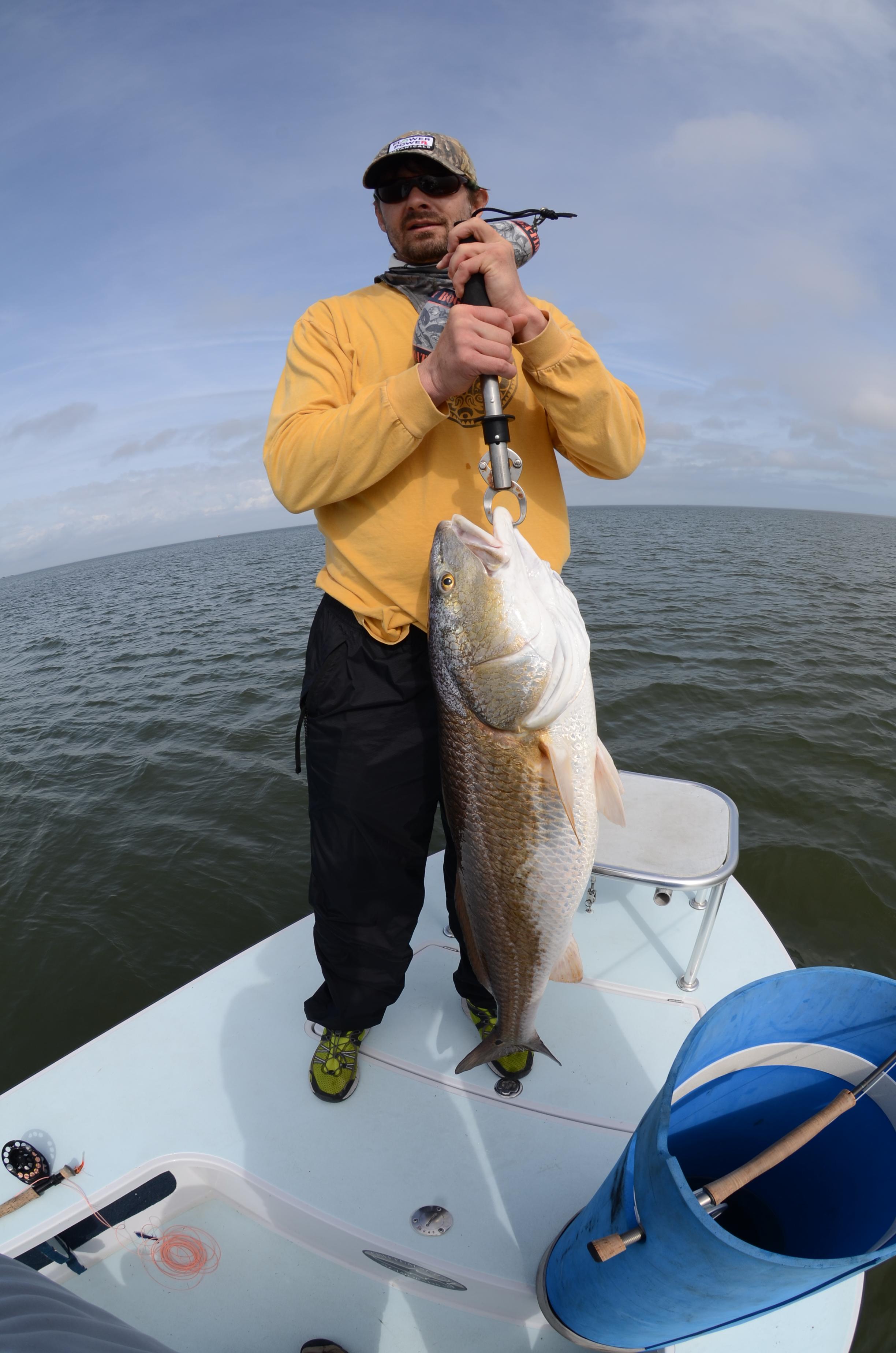
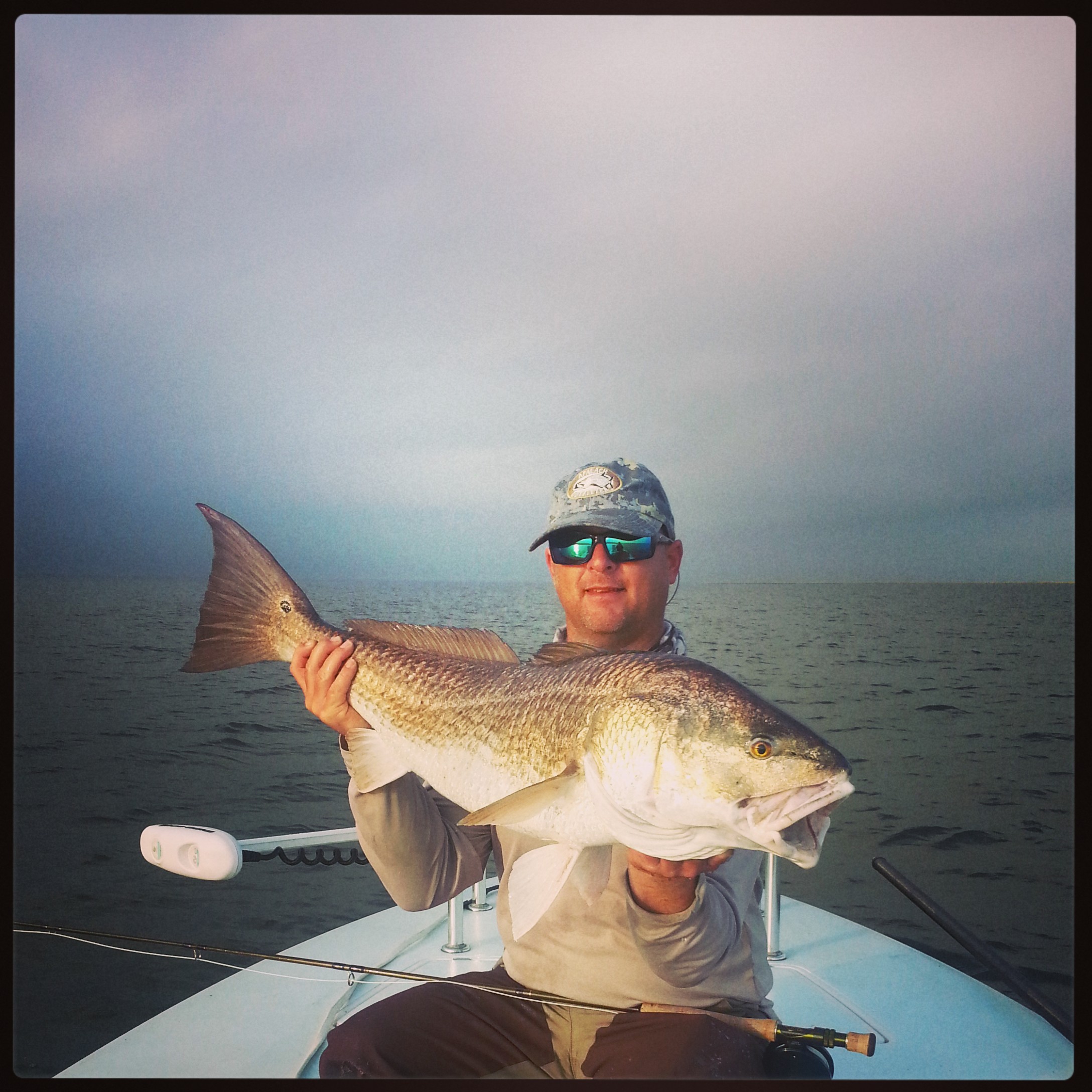
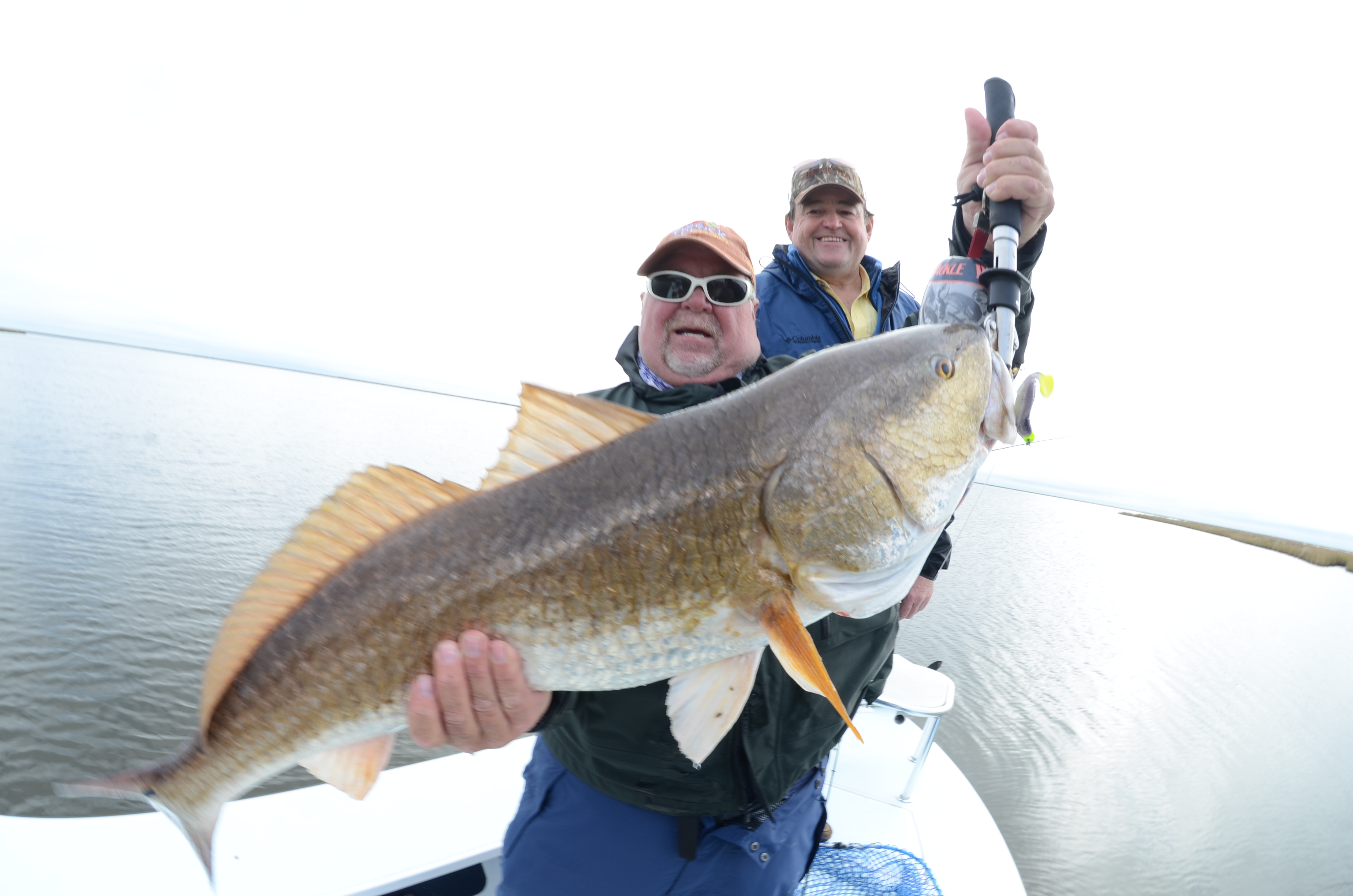
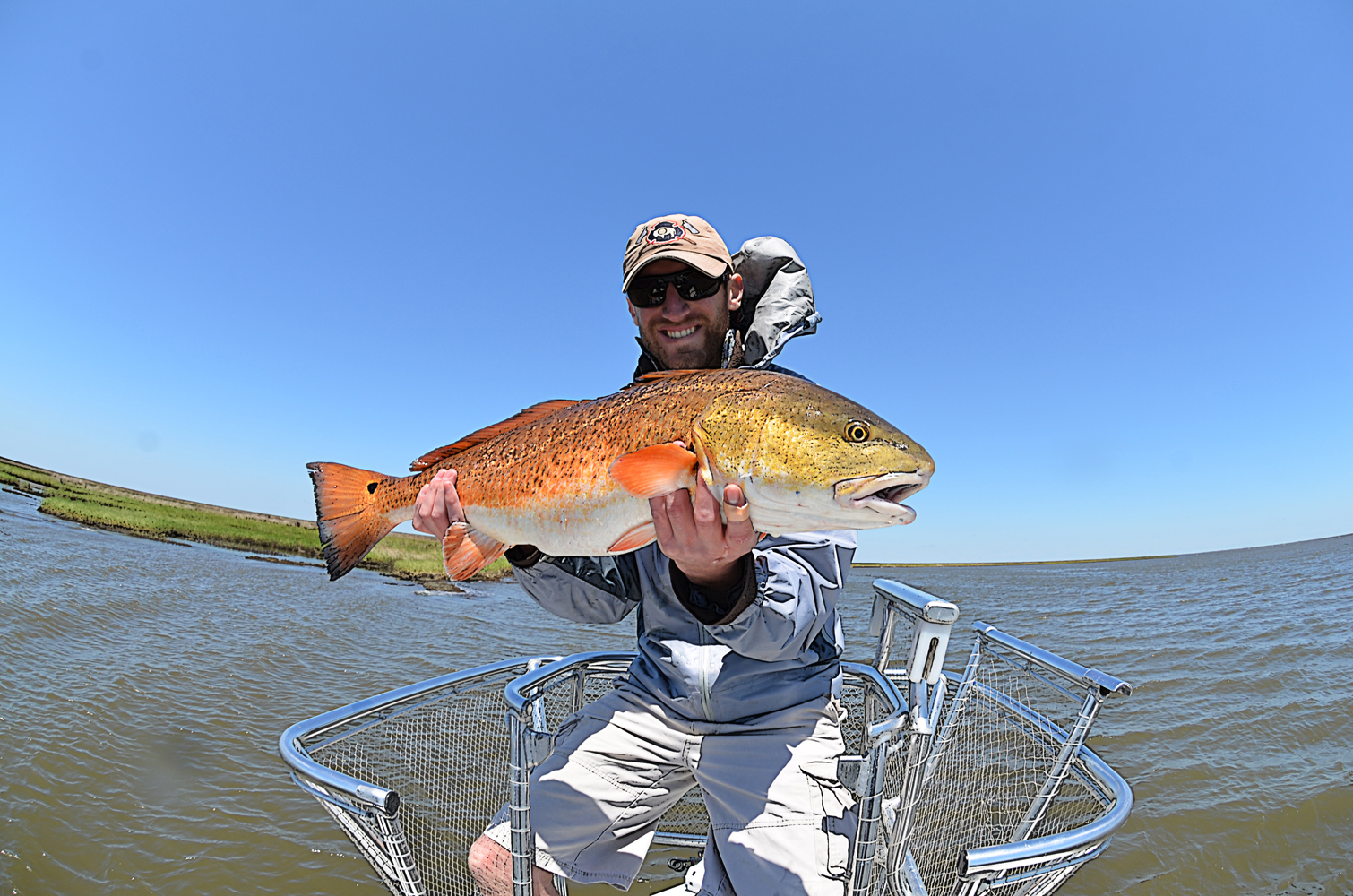
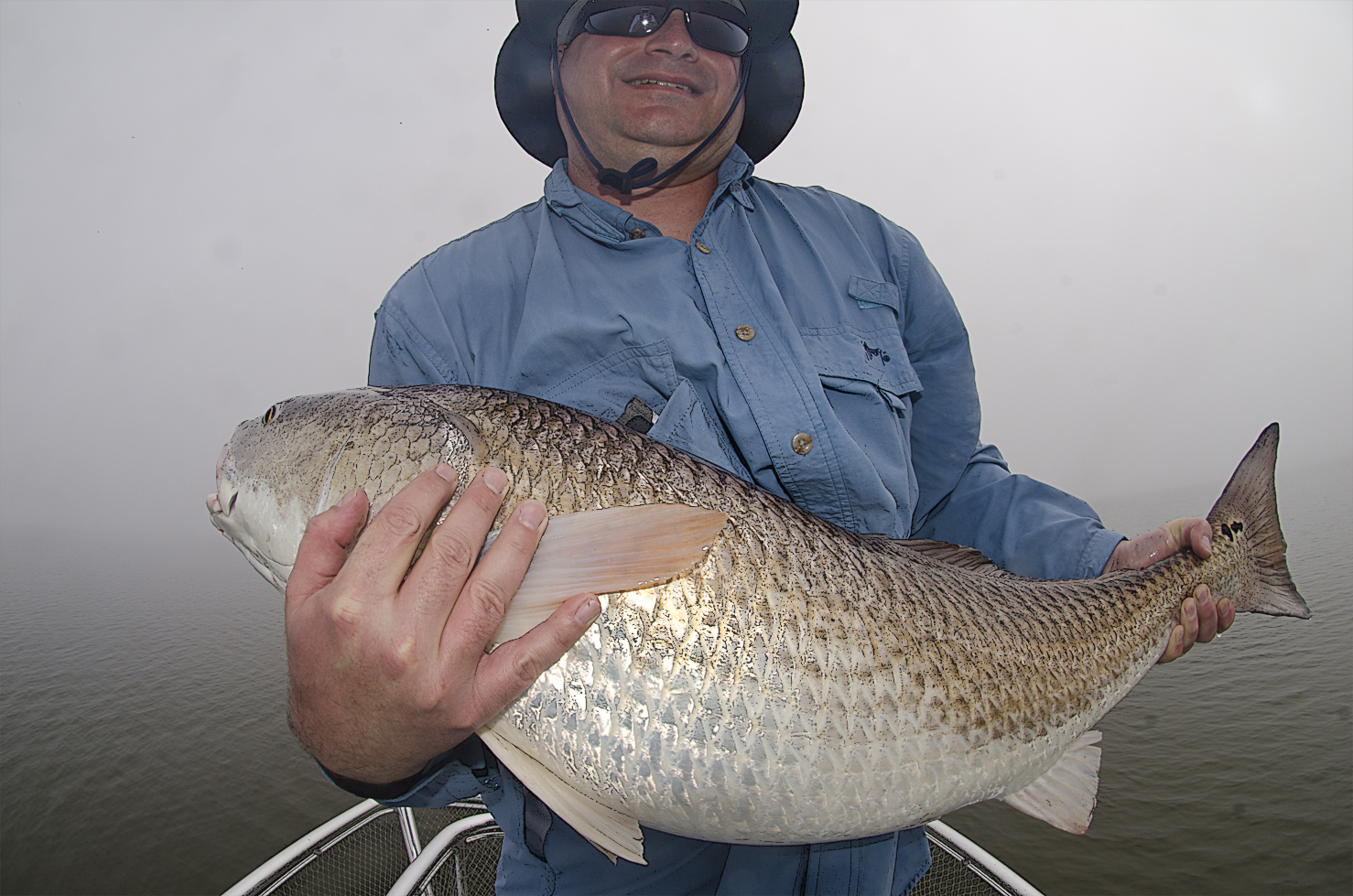
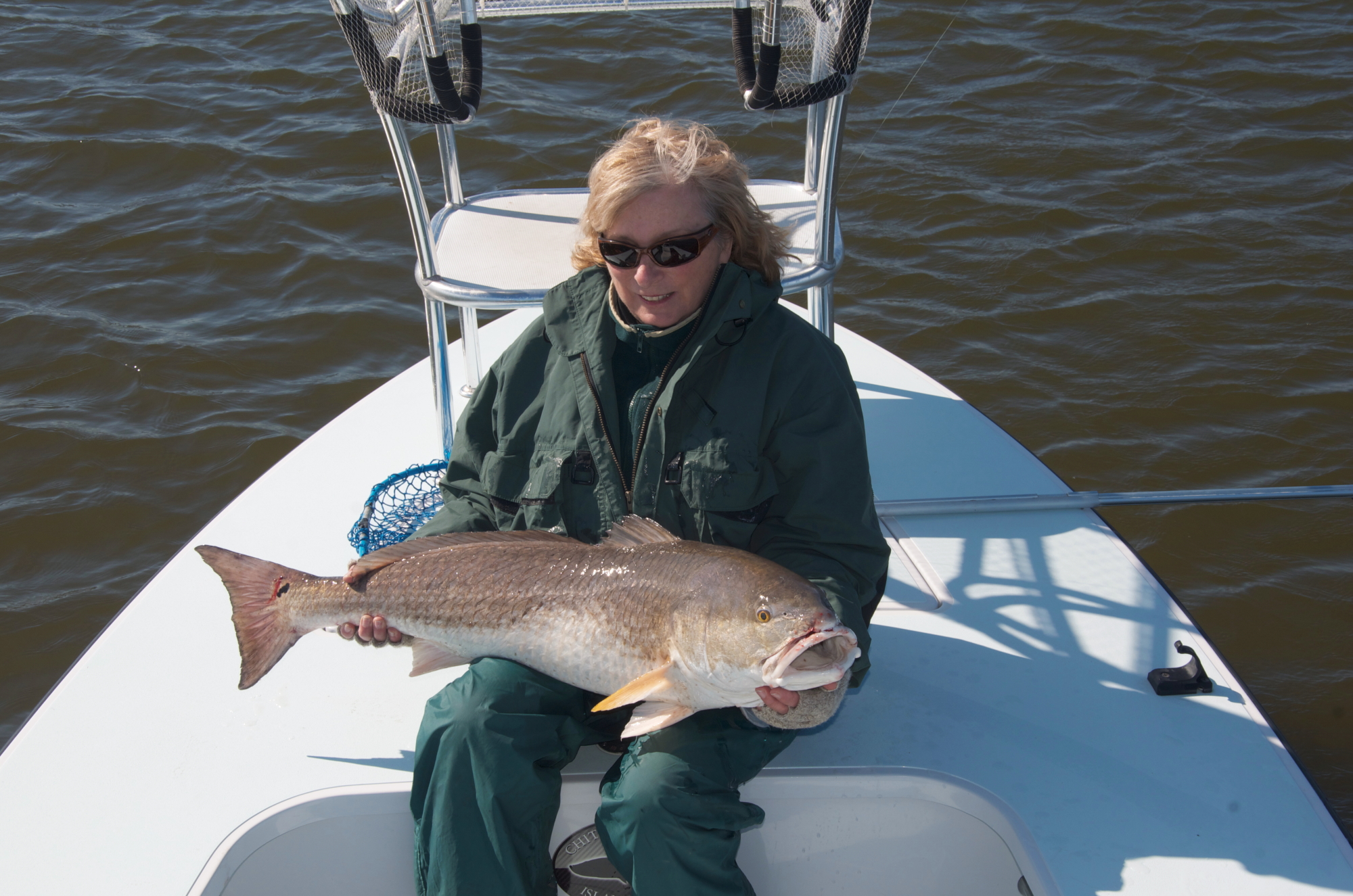
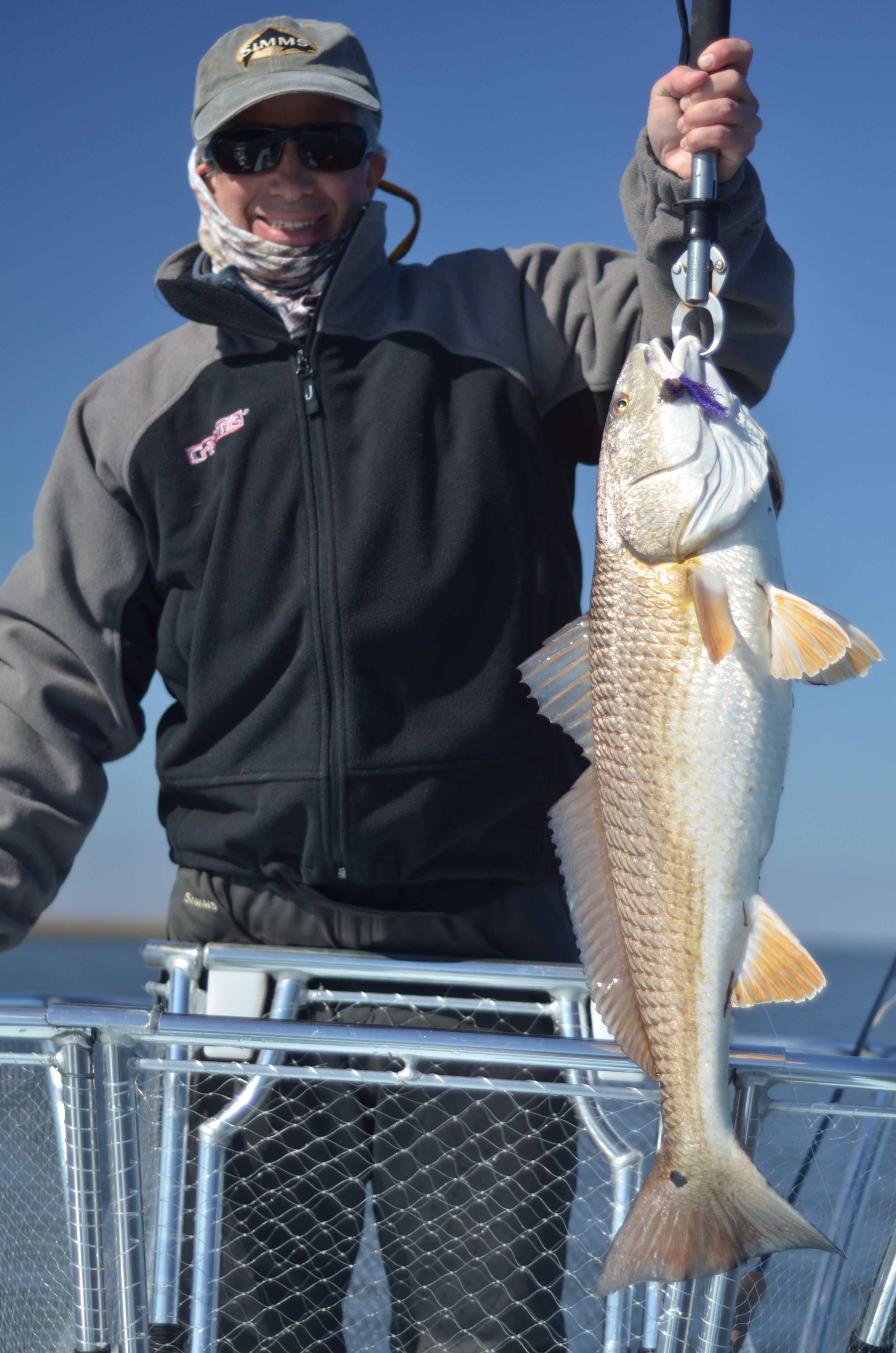
Ask most saltwater fly fishers what they want to chase, and redfish on the fly in Louisiana tops the list. For good reason—they’re powerful, abundant, and will hit a fly with a commitment that few other fish match. But Louisiana fishing charters aren’t a one-species destination.
Tarpon run the bayous and deeper water, particularly in the warmer months. These ancient fish provide some of the most technical and humbling fly-fishing experiences you’ll have. Hooking a tarpon changes something in you. Tarpon fighting you back changes you further.
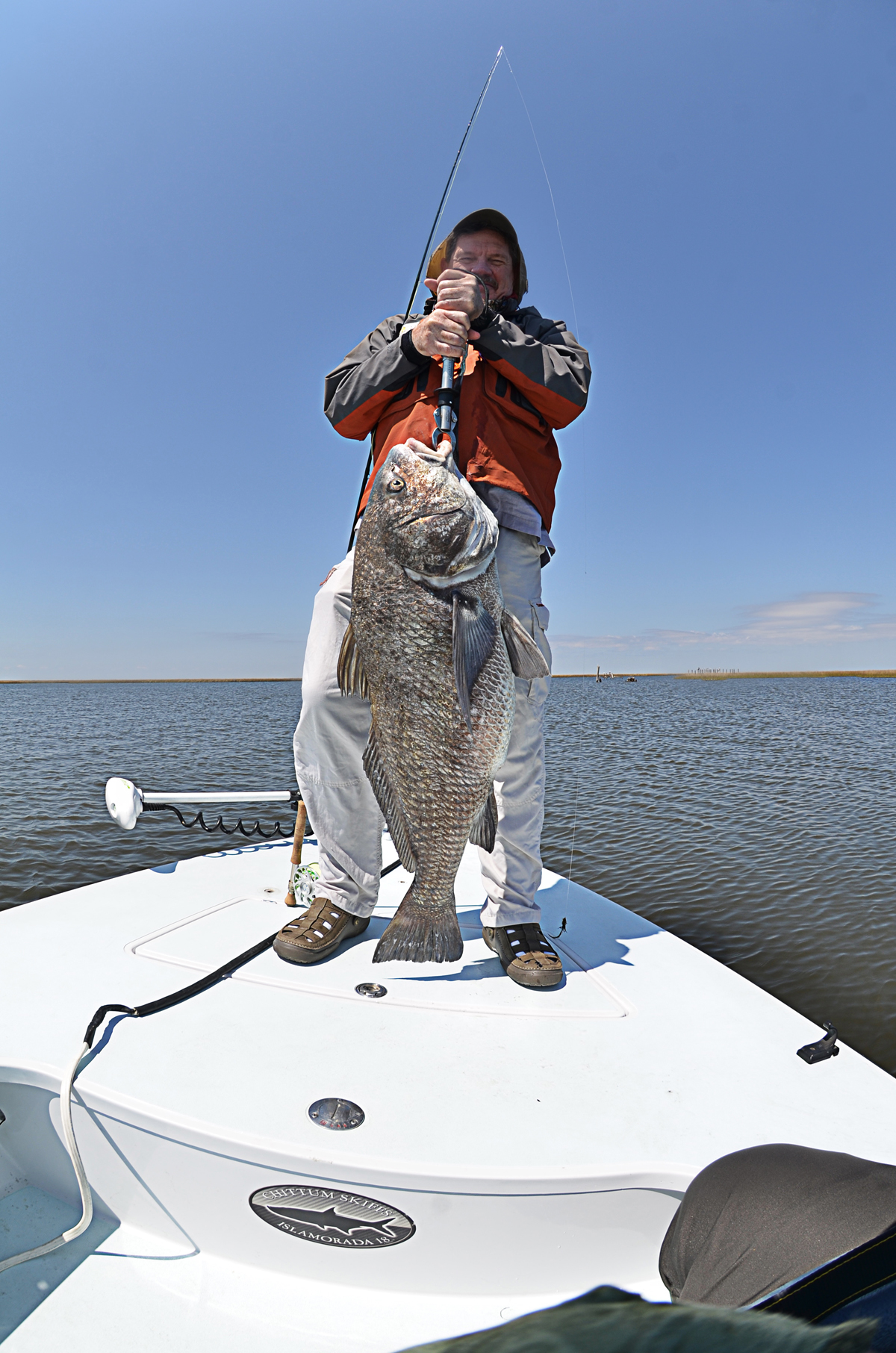
Spotted seatrout are overlooked by many fly fishers, and that’s their loss. Trout in Louisiana run larger than most people expect, and they’ll readily take flies. They’re ideal fish for developing your fundamentals—the cast, the presentation, the strip. They’re also delicious at the dinner table and respect-worthy both as a gamefish and as food.
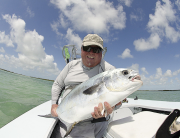
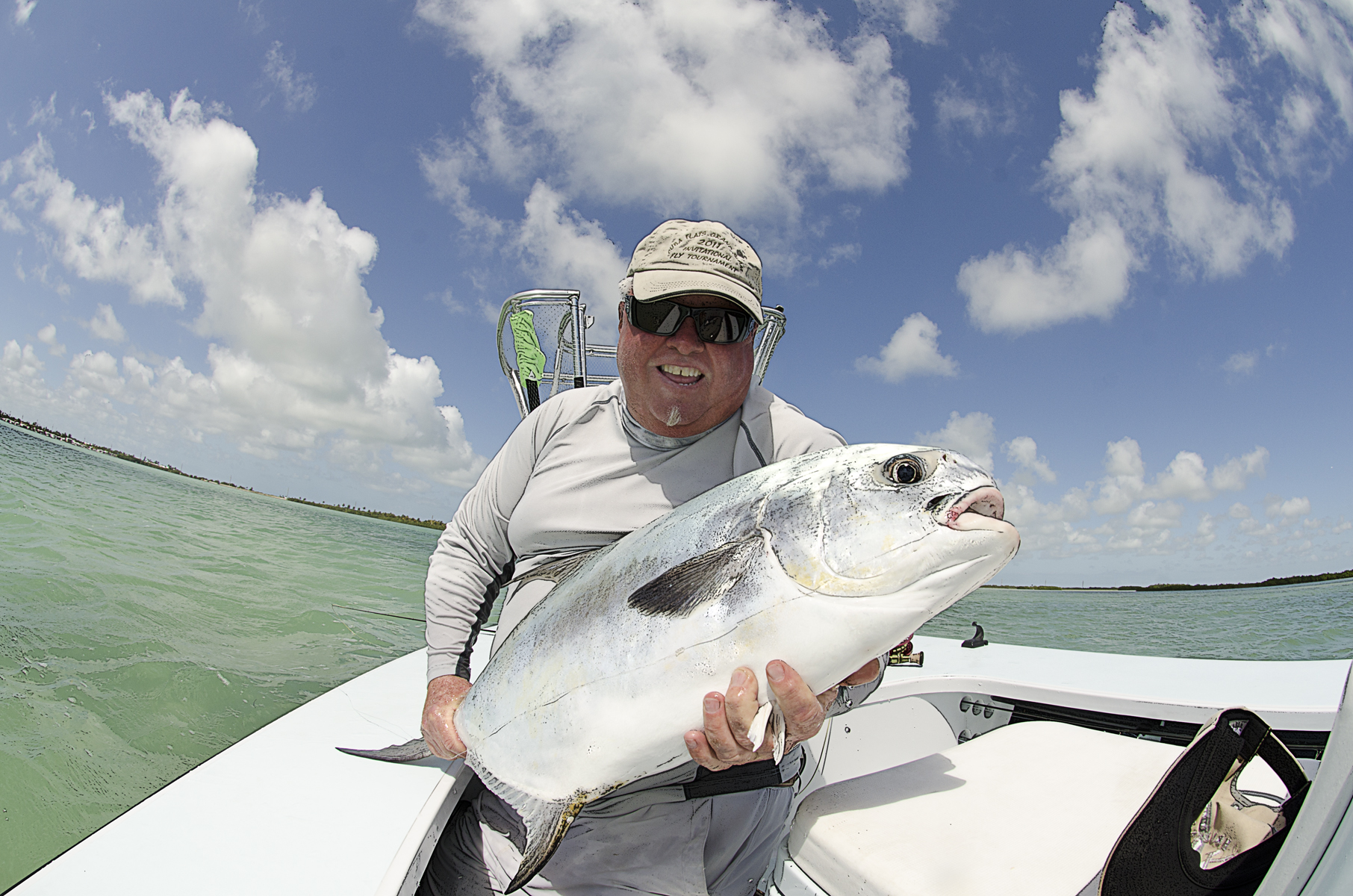
Permit and tripletail show up in our waters. False albacore and Spanish mackerel provide explosive surface action. Snapper, grouper, and flounder can all be taken on the fly if you know where and when to look. Louisiana’s diversity means you’re never fishing the same water twice—there’s always something new to chase.
The Seasons Tell Different Stories
Louisiana fly fishing isn’t a “best months” kind of destination. Every season offers something distinct, and understanding those rhythms is what separates guides from anglers, and good guides from great ones.
Spring brings the tarpon migration. Redfish are shallow and aggressive. The water is warming, baitfish are moving, and the whole system is waking up. It’s chaos in the best way possible.
Summer is when Louisiana shows its face. The air is hot, the water is warm, and the fishing is fast and furious. Early mornings are critical—fish feed hard in the cool, dim light before the sun climbs. If you can’t handle heat and humidity, summer isn’t your season, but the rewards justify the discomfort.
Fall is autumn hunting season reborn. The water cools, baitfish concentrate, and large predators gorge themselves before winter. September and October are some of my favorite months on the water. The heat breaks, the redfish feed, and there’s an electricity in the air.
Winter, as I mentioned in my redfish piece, concentrates the fish and creates sight-fishing opportunities that rival anywhere on earth. The cold is real, the wind is honest, but the quality of fish and the intensity of the action more than compensate.
What You’ll Learn Here
When you fly fishing charters with me in Louisiana, you’re not just catching fish. You’re learning saltwater hunting. You’re learning to read water that doesn’t give up its secrets easily. You’re developing the instincts that separate competent fly fishers from truly skilled ones.
You’ll learn how tide actually works in a system of bayous and marshes—it’s nothing like the tides of the backcountry Bahamas. You’ll understand why a wind shift can turn a dead day into a feeding frenzy. You’ll discover that sometimes the ugliest water holds the biggest fish.
You’ll cast in wind—real wind—and learn to trust your setup when conditions aren’t perfect. You’ll make long strips and short strips and learn the difference between them. You’ll read the subtle nervous water that signals a big redfish or tarpon nearby, and you’ll learn the patience required to wait for the right moment to cast.
Most importantly, you’ll learn that fly fishing isn’t about perfect presentations and textbook technique. It’s about reading water, understanding behavior, and putting a fly in front of a fish that’s actively hunting. The fish in Louisiana teach that better than any other water I know.
The Soul of Louisiana Fishing
There’s something about Louisiana that gets into your blood. Maybe it’s the history soaked into every bayou and marsh. Maybe it’s the food, the culture, or the warmth of the people. Maybe it’s just the absolute wildness of the place—a landscape that feels untamed despite all our development.
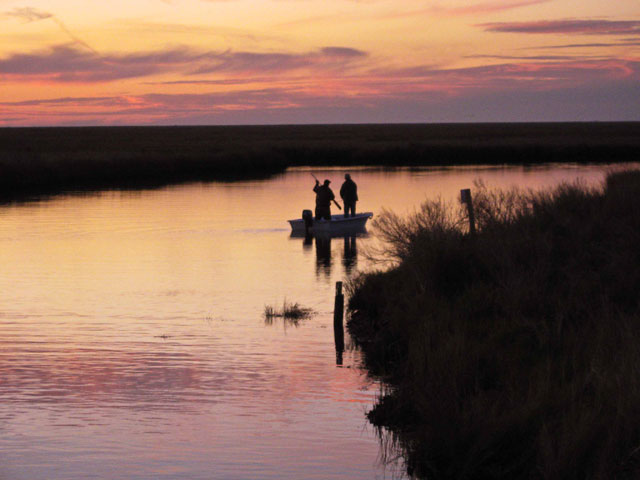
When you’re poling through a narrow bayou at dawn, the air still cool and the light just beginning to break, you feel it. When a massive redfish boils on your fly, you feel it. When you’re covered in mud and sweat and salt, with sore shoulders and a giant smile, you understand why I keep coming back.
This isn’t five-star resort fly fishing with perfectly groomed flats and helicopter views. This is real hunting. This is saltwater fly fishing stripped down to what matters: the angler, the fly, and the fish.
Come Fish Louisiana
If you’re a fly fisher, you owe it to yourself to experience Louisiana fly fishing charters. Come in the spring when the tarpon are moving. Come in the summer if you can handle the heat. Come in the fall when the hunting is at its best. Come in the winter when we’ll sight-fish 35-pound redfish on the fly Louisiana style together.
Come prepared for a Louisiana fishing charter with realistic expectations about water clarity and conditions. Come ready to learn. Come prepared for wind and sun and work. Come hungry to understand a different kind of saltwater fly fishing.
I’ll be on the water, and I’ll show you why Louisiana matters. I’ll put you in front of fish. I’ll teach you how to hunt them. I’ll share the water that’s shaped my life and my craft.
Louisiana’s fly fishing isn’t for everyone. But if it calls to you, if something about chasing striped shadows through stained water and dark bayous resonates in your bones, then you need to be here.
The water’s waiting. The fish are hungry. And I’m ready to show you what fly fishing really means.
—Capt. Gregg Arnold